Best Books of the Year lists are everywhere as the year winds down and book lovers start anticipating the new releases of 2026. Here is my list of favorites from 2025.
Poetry
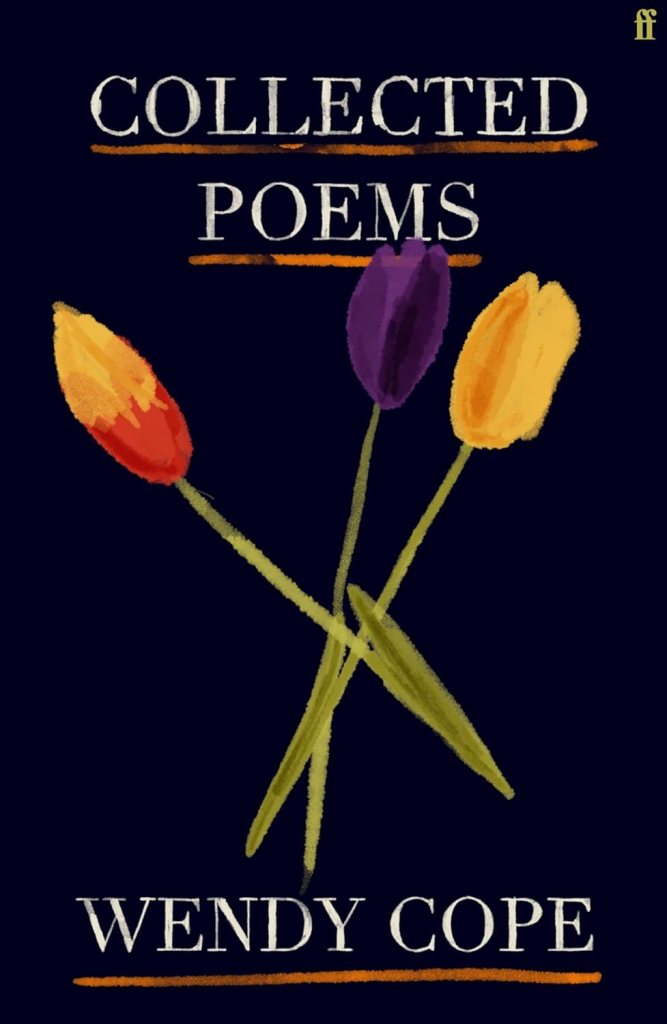
Collected Poems by Wendy Cope
I had never heard of Wendy Cope until I read a review of this collection and learned that she is celebrated in England for her wit and accessible style. Lauded by the literary world and also a bestseller, she writes of the joys, heartbreaks, and mundane moments of ordinary life. One of her poems, The Orange, went viral on TikTok gaining her a new generation of fans. It affirms the value of small pleasures to keep us going in a complicated world. I particularly enjoyed her gentle satires of pompous literati and her parodies of famous poets. She resisted being named Poet Laureate, even writing an irreverent satire of the “state occasion” verse required. Here is a taste of her sly wit, the poem The South Bank Poetry Library, London in its entirety:
This is a pleasant library. I’d enjoy every minute
But for the danger of meeting other poets in it.
Fiction
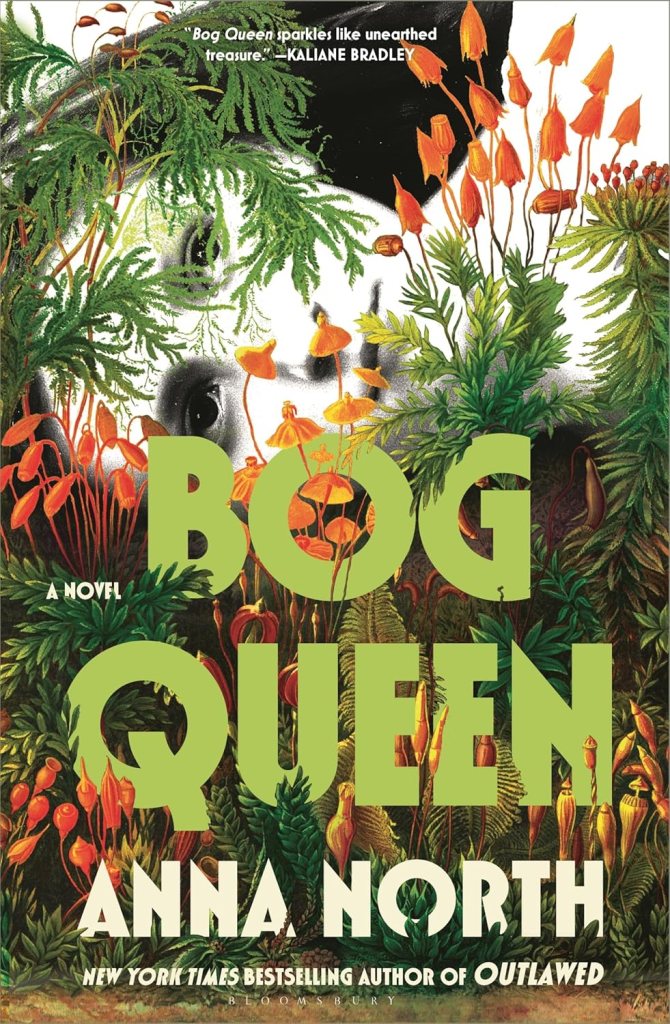
Bog Queen by Anna North
Seamus Heaney’s Bog Poems inspired the title of this tale of two women separated by two thousand years. Agnes is a forensic anthropologist called in to investigate a body found by peat diggers in a bog in northern England. At first the body is thought to be a missing local woman, but Agnes immediately recognizes that the wear pattern on the teeth indicates a much older origin. Perfectly preserved by the mossy bog environment, the woman is from the Iron Age, the early days of Roman Britain. In alternating chapters we follow the Druid priestess’s account of her journey to the Roman capital of Camulodunum and Agnes’s investigation into the cause of her death. A stab wound is ruled out because there are signs of healing. In the Druid’s narrative we learn of the violent encounter with a rival clan that caused the wound and how it was treated. Agnes’s work is complicated by a conflict with environmentalists who want to stop both the peat diggers and the archeological dig. The bog itself is a living character, speaking out at intervals to comment on human affairs and its sacred role in receiving the bodies of the dead. Enriched by the author’s research into Iron Age life and a lyrical writing style, this is a captivating read.
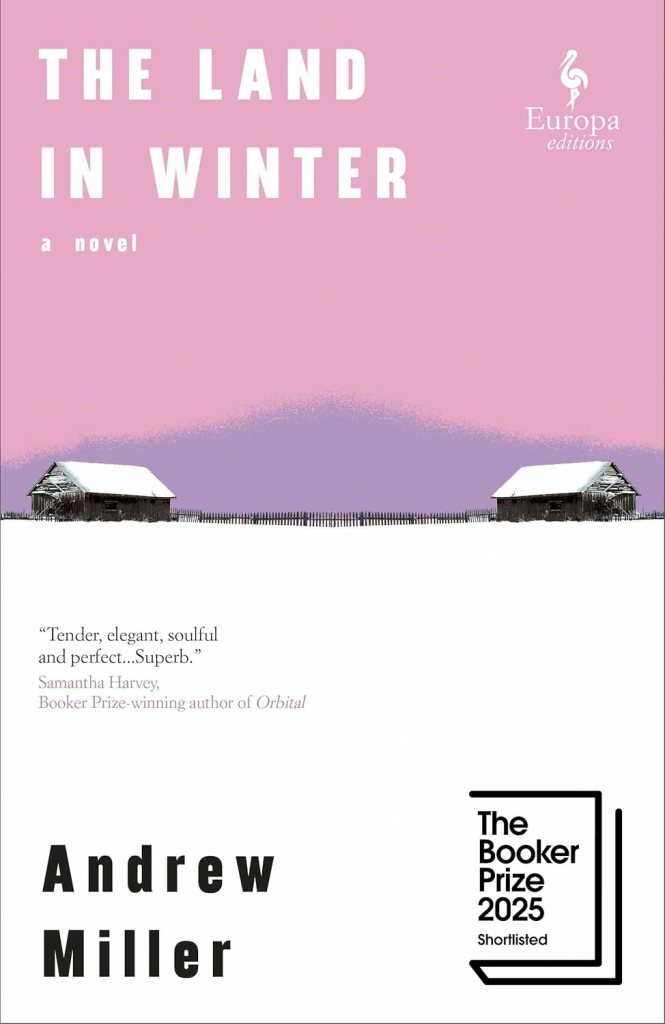
The Land in Winter by Andrew Miller
It’s a strange feeling when a book set in a time you remember well wins historical fiction prizes! (The 2025 Walter Scott and Winston Graham prizes). The setting is England in the bitter winter of 1962-63, one of the coldest on record, known as the Great Freeze. Snow covered the ground for months, blocked roads and trains, and disrupted everyday life. I was fourteen and remember walking to the bus stop for school across thick ice, which didn’t disappear until March. It was worse in the countryside where this book is set. Two young couples live in isolated houses a field apart near a small village. Both are expecting their first child. In one house the local doctor Eric and his wife Irene; in the other Oxford man turned novice farmer Bill and his mentally fragile wife Rita. One day Rita struggles across the field through the knee high snow to visit her neighbors. She and Irene become friends despite their different class backgrounds. As the snow falls, muffling the outside world, these characters turn inward to reflect on their pasts, their mistakes, their secrets, and their hopes for the future. Each ventures beyond their snow-bound village in search of answers. The whirling snow creates a dreamlike montage of the mysteries of the human heart and relationships, each person a secret unto themselves. This novel was deservedly short-listed for the Booker Prize.
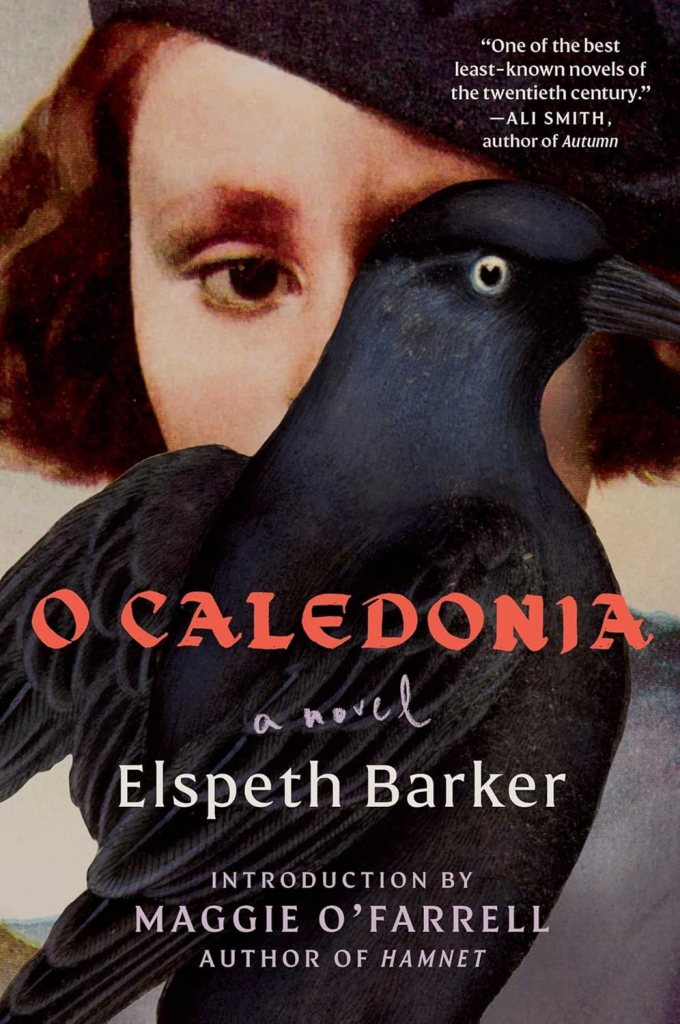
O Caledonia by Elspeth Barker
I came across this dark and witty Scottish Gothic novel by chance and absolutely loved it. First published in 1991 it was forgotten for decades but has gained a cult following. Set in the “unrelenting chill of a Calvinist world” during and after World War II, it is the story of Janet, a precocious girl who comes to a bad end. She doesn’t fit in at school or at home, a remote castle that makes Wuthering Heights look cosy. Janet’s only pleasures are disobeying her conventional parents, immersing herself in literature, and communing with birds and animals. The only person she bonds with is cousin Lila, an eccentric Russian widow who lives in squalor in a wing of the castle. One of the pleasures of this book is the evocative writing that makes the ordinary seem sinister. Here is a description of the table set for tea. Nothing cosy about it.
…the cold parlors where the bible was open beside a ticking clock and rock buns were assembled on snowy doilies, malignly aglitter with the menace of carbonized currants.
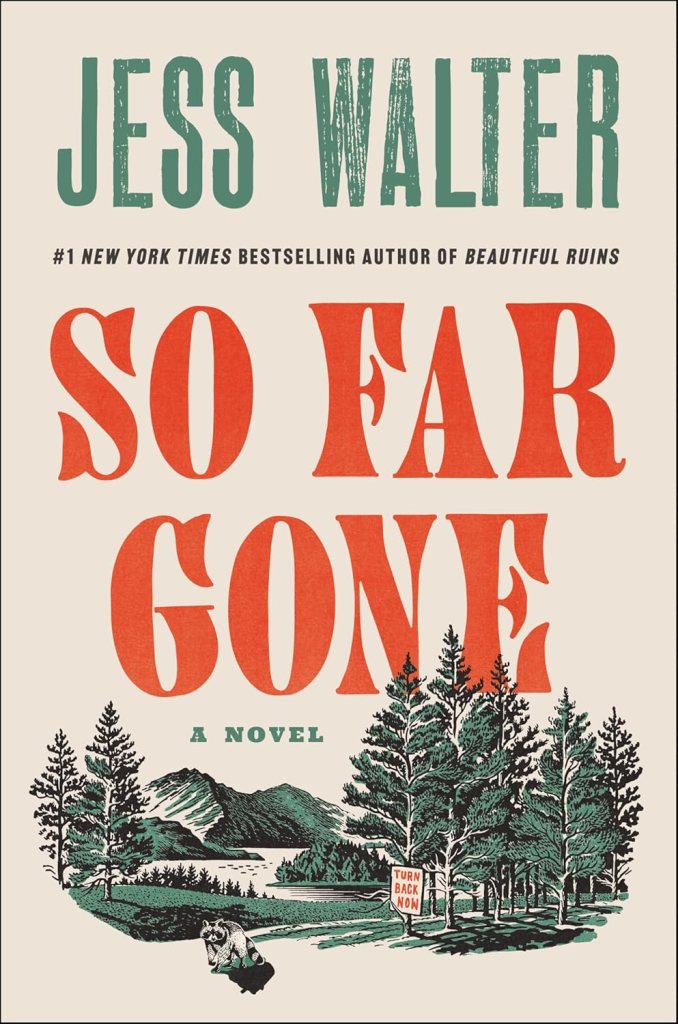
So Far Gone by Jess Walter
I was surprised not to see this title on more Best lists because it speaks directly to the divisions roiling our nation, but does so with a sympathetic eye, without demonizing anyone. Instead, with humor and dead-on satire Walter exposes the absurdity of the extremists and conspiracy-minded. Rhys Kinnick is a washed up journalist whose years spent covering environmental issues for a Spokane, Washington newspaper seem futile. Now he lives off-grid in a remote cabin in the woods. But when his grandchildren Leah and Asher show up at his door he is drawn back into the world. His daughter Bethany has disappeared leaving instructions for him to care for the children, while his conspiracy minded son-in-law Shane has joined a Christian Nationalist militia called The Army of the Lord. Shane sends two militia members to abduct the children so they can live with him in the fortified Army of the Lord compound. There follows a wild road trip through the madness of contemporary America as Rhys tries to find his missing daughter and free his grandchildren. By turns hilarious and heart-rending, this is an essential book for our times .
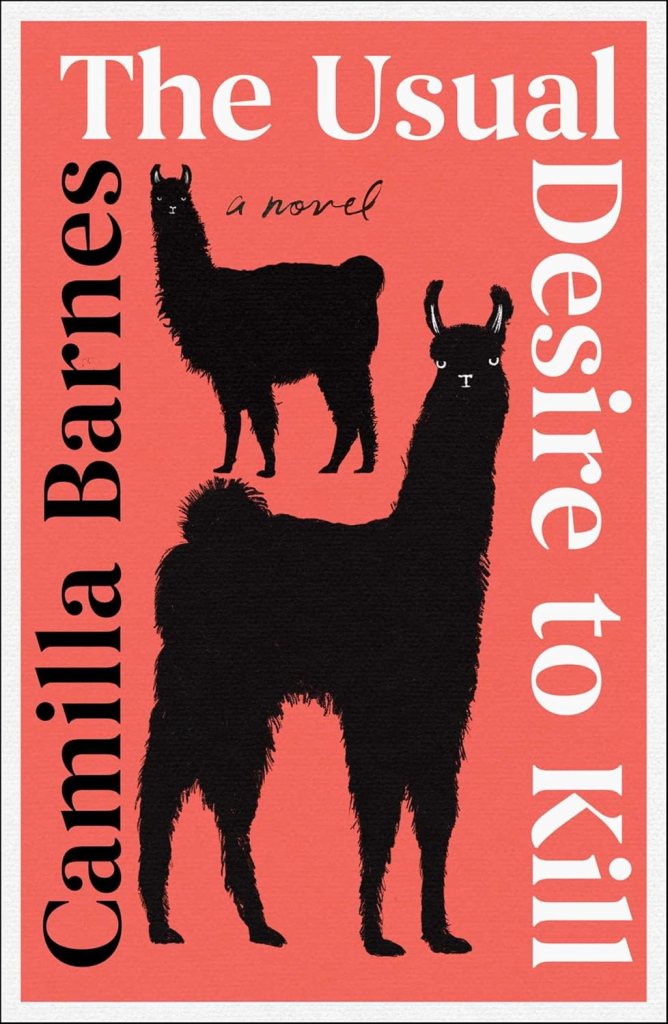
The Usual Desire to Kill by Camilla Barnes
This is for fans of the “eccentric English family” genre like Cold Comfort Farm or the Wodehouse novels. The title is the feeling that comes over Miranda whenever she visits her parents in the dilapidated French farmhouse where they have retired. The couple, a former philosophy professor and his obsessive wife have been married for fifty years but rely on Miranda to communicate their complaints about each other whenever she can force herself to visit. Her mother’s eccentricity extends to endangering their lives – when they moved from England she unplugged the fridge and had it loaded onto the moving van with all the food inside. Once arrived in France she just plugged it in again and continued to serve meals with the outdated and refrozen meats. Miranda must juggle her concerns over these difficult parents with her sister’s and daughter’s well meaning but useless advice. The surface witty dialogue and comical scenes are gradually darkened as the sad backstory of how this mismatched couple came together is revealed.
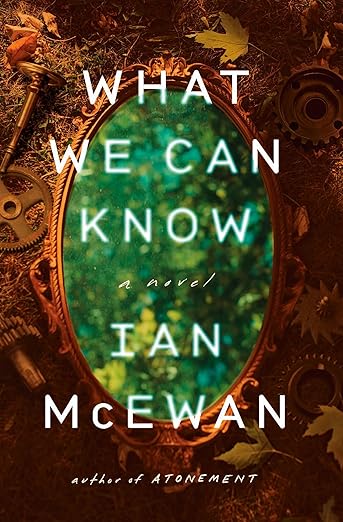
What We Can Know by Ian McEwan
There are limits to what we can know of the past is the theme of this absorbing novel. In 2119, when England is an archipelago following world-wide disasters, academic Thomas Metcalfe undertakes a dangerous journey by boat and bike to the Bodleian Library, now located on a Welsh mountaintop. He is searching the archives for a lost poem cycle by 21st century poet Francis Bundy (a fictional character who fancies himself equal, or perhaps superior, to Seamus Heaney). Bundy dedicated A Corona for Vivian to his wife and read it at a dinner party that has become legendary. Metcalfe envies the literary group’s vanished world, compared to the diminished existence he and his contemporaries endure. His quest becomes an obsession as he follows clues to the possible location of the famous text, perhaps the greatest love poem of the age. Then McEwan changes our perspective. In Part II we are back in the early 21st century. Bundy’s circle and the circumstances surrounding the poem are completely different from what Metcalfe imagined. The narrative has shocking revelations and twists and is compulsively readable. This was the best book I read all year.
Nonfiction
I enjoyed and admired some of my nonfiction reading so much that they deserved full blog posts of their own. They are listed here with a brief description and a link to my full review.
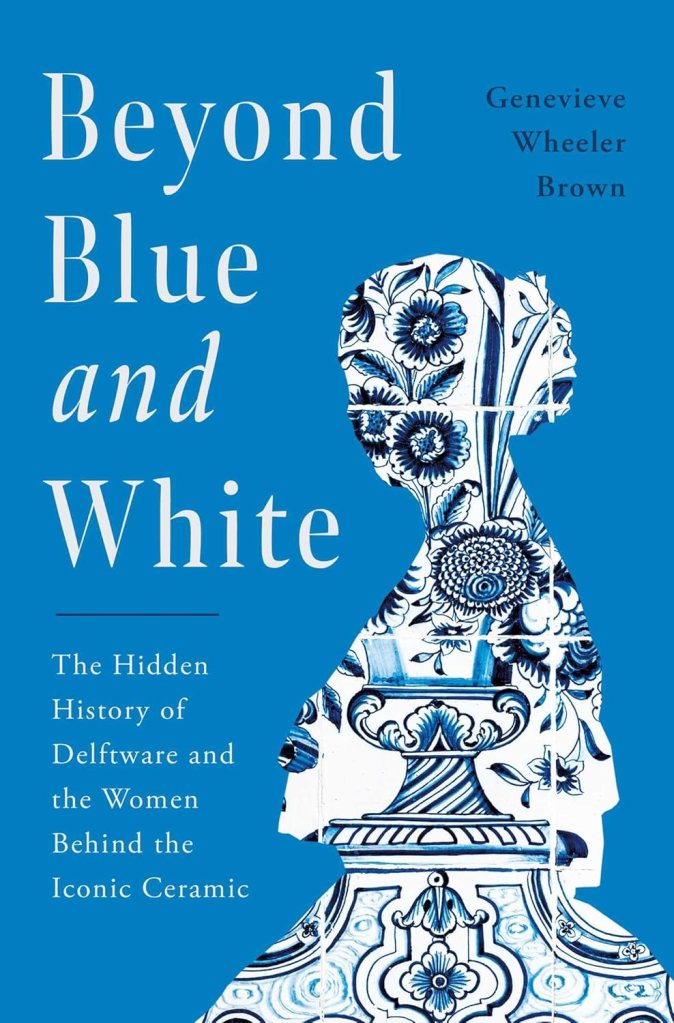
Beyond Blue and White by Genevieve Wheeler Brown
A decorative art expert researches the history of Delftware in the Dutch Golden Age and discovers that many of the famous potteries were led by women. Read my full review.
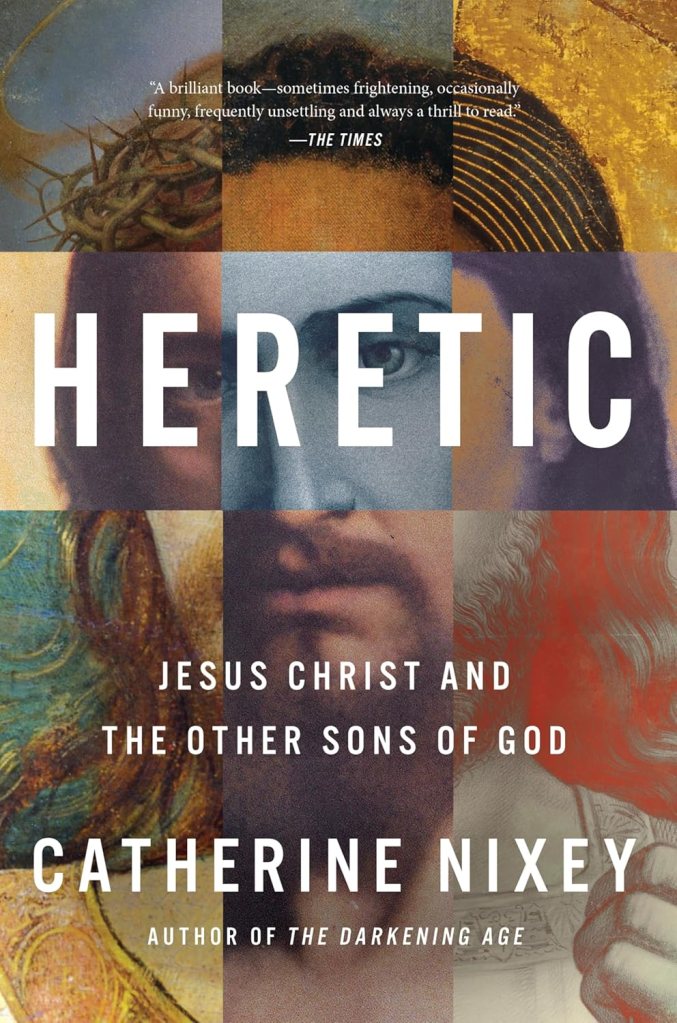
Heretic: Jesus Christ and the Other Sons of God by Catherine Nixey
Catherine Nixey, daughter of an ex-nun and an ex-monk, is a distinguished scholar of early Christianity whose books are hailed as “brilliant.” Whether you are a believer or not, this is an enlightening encounter with the world of Jesus and his early followers. Jesus was only one of many preachers and healers of the time, including one who was said to tame dragons. And Jesus himself was interpreted in many different ways in his lifetime and for the first century after his death. Nixey states that:
This book will do some things that are, in the world of (Christian) history, if not heretical then mildly frowned upon. For one thing, it will unapologetically consider Christianity alongside other classical religions.
She reveals miracles, even raising from the dead, performed by other sons of god, and sets Jesus in the context of a feverish apocalyptic cultural melting pot of ideas and beliefs. The many diverse variations of Jesus that existed in early Christianity were gradually declared heresy and an orthodox Christianity emerged. Nixey is a compelling story teller and, in the words of one critic, has “a mother lode of tales too hot for Christendom.” One oddity is that the book was published in the UK under the title Heresy. I am struggling to understand what possible reason there was for the change in the American edition.
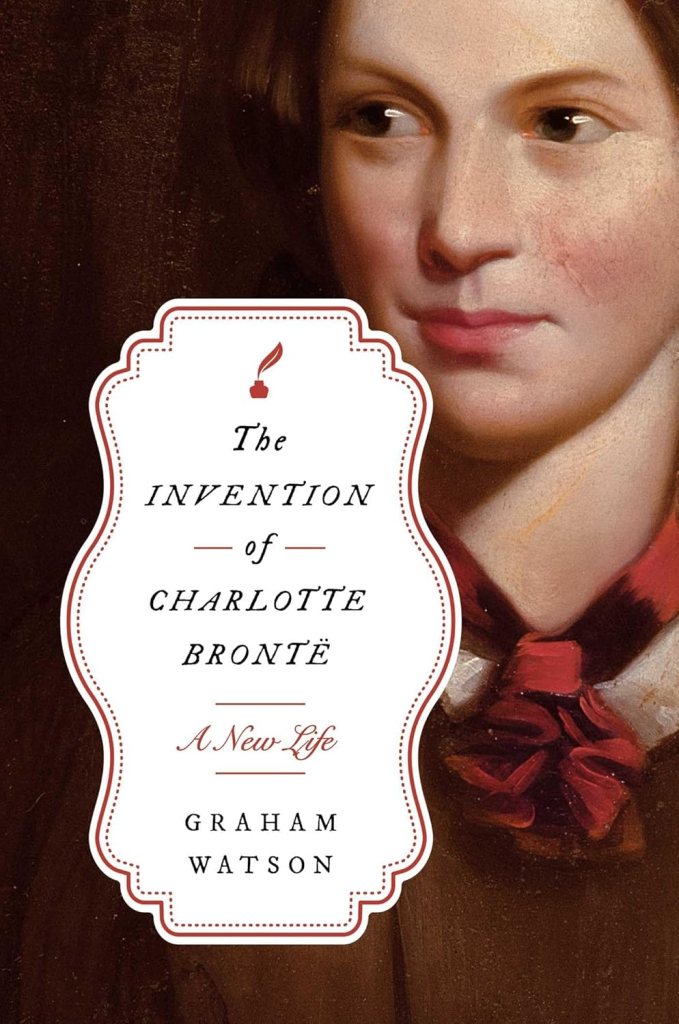
The Invention of Charlotte Bronte by Graham Watson
This is an in-depth account of the first biography of Charlotte Bronte by her friend and fellow novelist Elizabeth Gaskell. Now considered a classic, the book was met with a storm of controversy when first published. But Gaskell was responsible for the enduring myth of the Brontes. Read my full review.
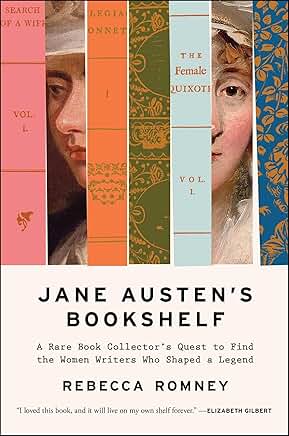
Jane Austen’s Bookshelf by Rebecca Romney
Who were Jane Austen”s favorite authors? A rare book collector follows clues in Jane’s novels and letters to find out, and introduces us to a diverse group of women writers including Anne Radcliffe and Maria Edgeworth. The life stories of these women are as compelling as their novels. Read my full review.
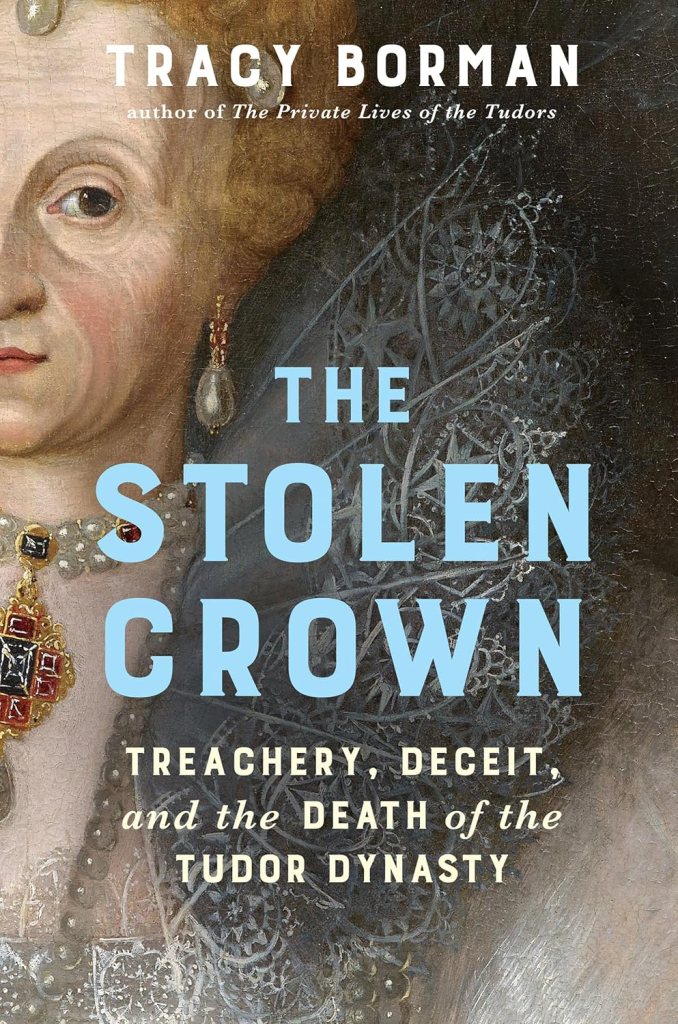
The Stolen Crown by Tracy Borman
Rarely does a book on the much studied Elizabethan age present newly discovered evidence. But modern forensic examination of William Camden’s biography of Elizabeth, published in 1615, reveals that many changes were made to the manuscript, the original text visible beneath. The story that on her deathbed Elizabeth named James VI of Scotland her heir is a revision, no doubt made to bolster James’s right to the throne. Borman tells the fascinating story of how the royal succession led to Stuart rule and how Henry VIII’s will was invalidated. Read my full review.
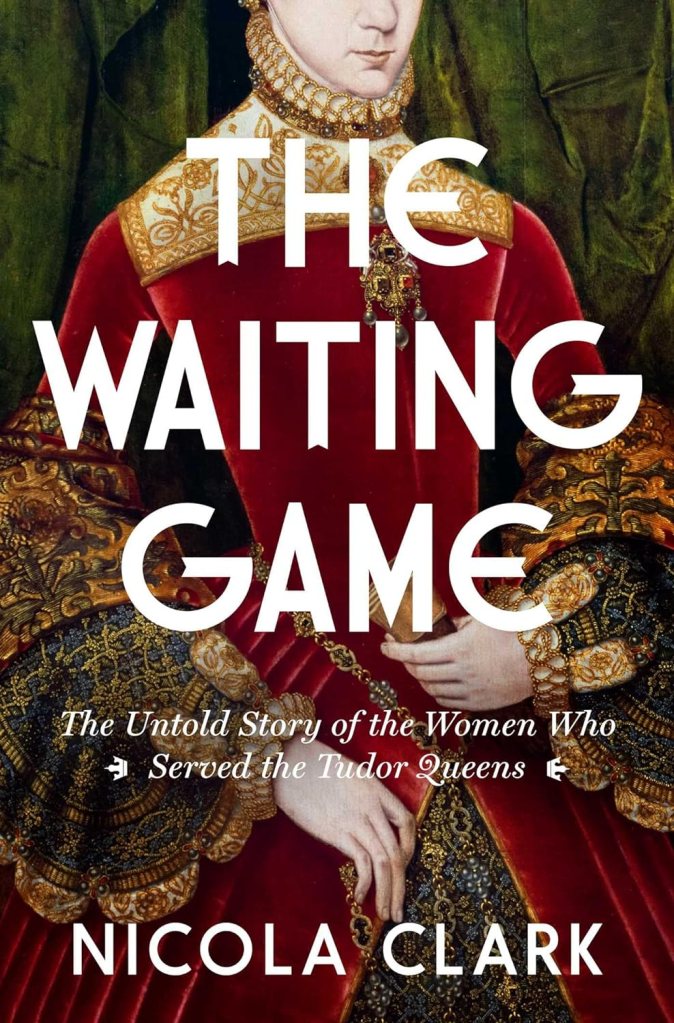
The Waiting Game by Nicola Clark
They are normally shadowy figures in the background of history, but here the stories of the ladies-in-waiting who served Henry VIII’s Queens are centered. Even in Hilary Mantel’s Wolf Hall trilogy they are rarely seen or heard unless they had the misfortune of catching the King’s eye. Three of Henry’s wives, Ann Boleyn, Jane Seymour, and Catherine Howard, were ladies-in-waiting to previous Queens. Clark brings to the fore ladies who did not make it into the history books till now. Spanish Maria de Salinas came to England as a teenager with Katherine of Aragon and remained her confidant through the trauma of the divorce. Jane Parker and Anne Bassett each served several of Henry’s wives. They were responsible for their mistress’s clothing, jewelry, and personal grooming, even sleeping in their beds at times. This intimacy made them privy to secrets and gossip and made them “underused witnesses to one of the most tumultuous periods of pre-modern history.” They were ideally positioned to act as spies, either for or against the Queens they served, and “were forced to deftly maneuver the political, religious and sexual chaos that existed in Henry’s court.” Many young women came to court eager to make a good marriage and could retire in style to sumptuous country estates. Others were less fortunate. Jane Parker (later Jane Boleyn) was beheaded for her part in Catherine Howard’s adultery. This is a lively and entertaining history, perfect for fans of Wolf Hall or The Other Boleyn Girl.

 Dispatches From the Former New World
You should be a professional book reviewer. You make me want to read every one of the books that you highlighted. How do you ever discover them?
LikeLike