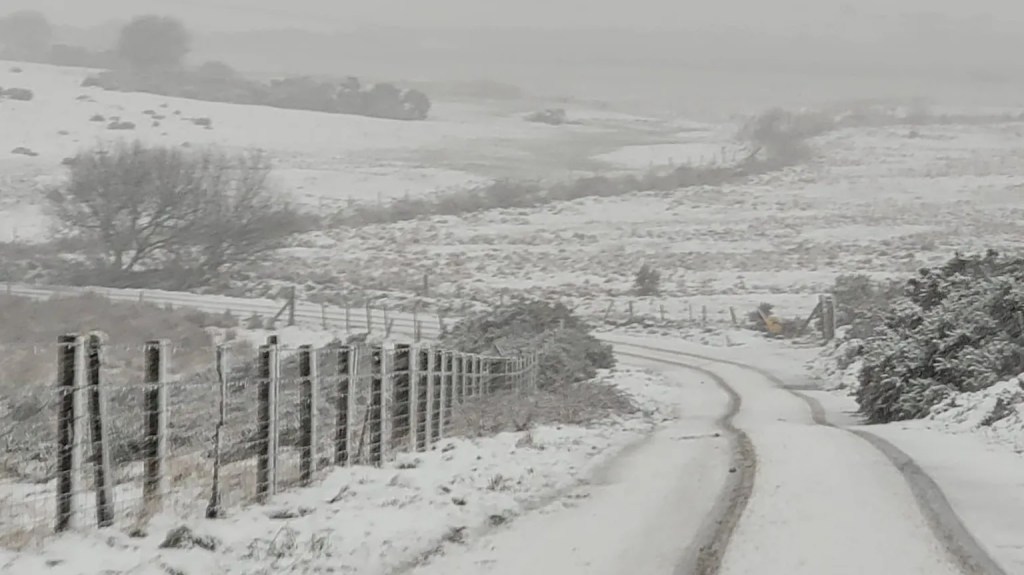
As we shiver through this bitter winter a favorite carol I listened to again over Christmas keeps playing through my head:
In the bleak midwinter, frosty wind made moan,
Earth stood hard as iron, water like a stone;
Snow had fallen, snow on snow, snow on snow,
In the bleak midwinter, long ago.
When I first heard the haunting melody and read the lyrics decades ago I thought it was a medieval carol. It seemed to share a sensibility with three of my favorites, The Coventry Carol, There is No Rose, and the Corpus Christi Carol. But no, it is a poem by the Victorian poet Christina Rossetti set to music by Gustav Holst. But perhaps I did pick up some medieval vibes for Christina was the sister of Dante Gabriel Rossetti, the leading medievalist of the Pre-Raphaelite Brotherhood. This group of artists were dedicated to returning painting to the era before Raphael. They believed that the spiritual and creative integrity of medieval art had been lost. They particularly despised Sir Joshua Reynolds, founder of the Royal Academy of Arts, nicknaming him Sir Sloshua, sloshy being their term for inauthentic and conventional art. (So similar to the modern word slop for poor quality AI images). Many of Dante Gabriel’s paintings, like the one below, contain medieval iconography and characters in richly detailed medieval dress. The scene glimpsed through the window echoes similar scenes in Renaissance paintings.
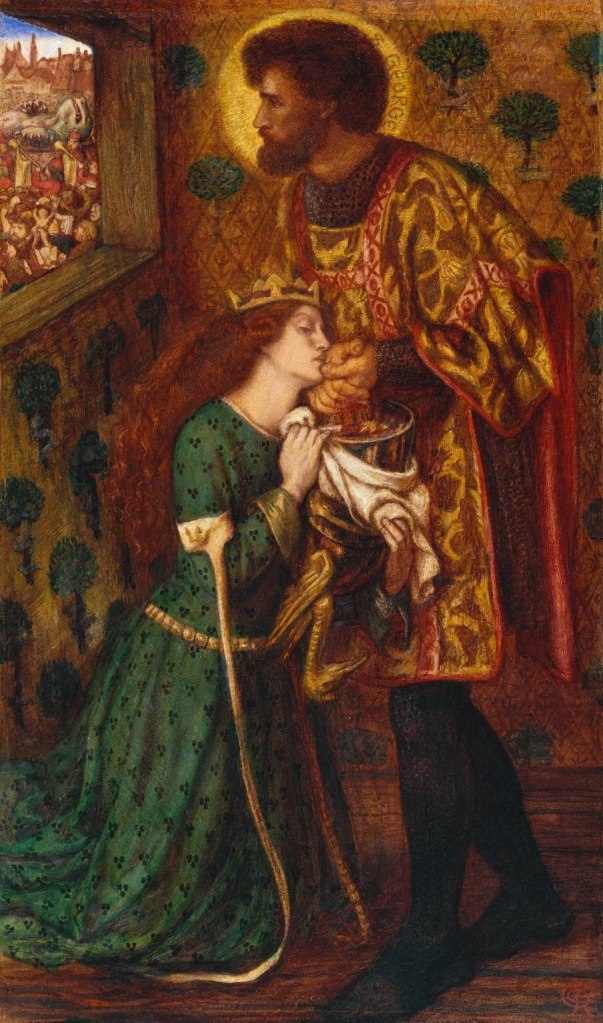
by Dante Gabriel Rossetti
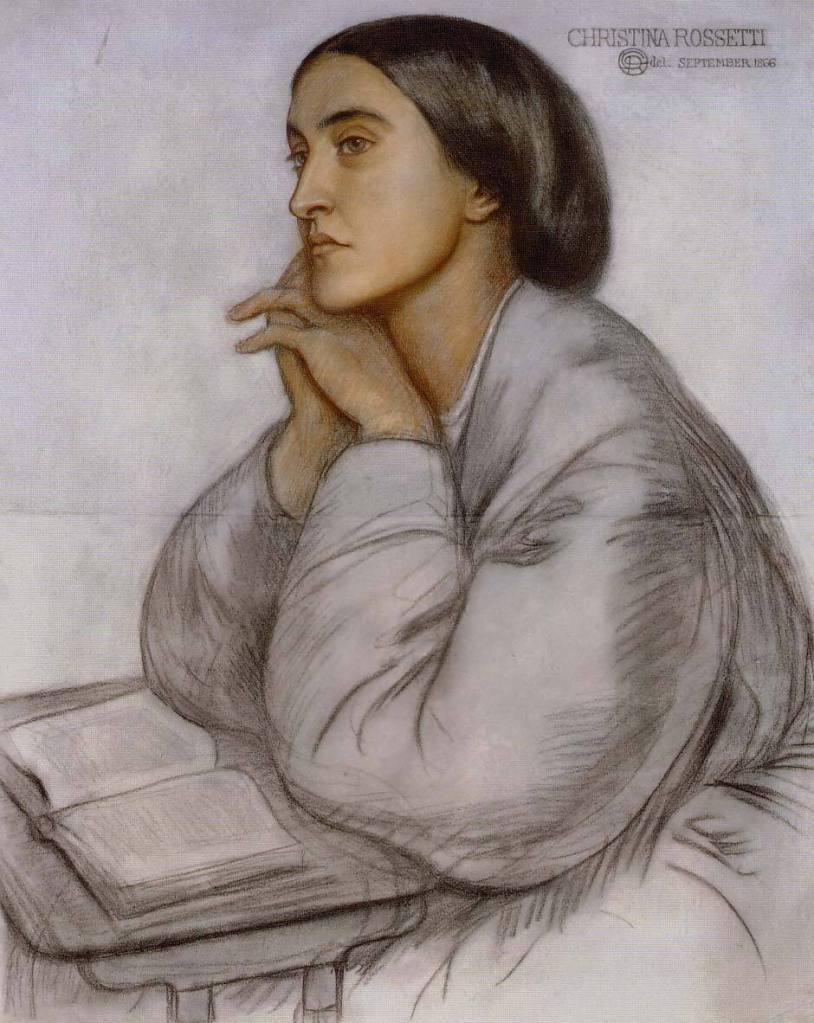
Christina Rossetti was the fourth child born to the Italian exile and poet Gabriele Rossetti and his English wife Frances. She was the sister of Lord Byron’s best friend John Polidori, so from an early age their children were exposed to the literary and artistic elite of the day. Christina was educated at home by her mother, with an emphasis on the classics, mythology, and folklore. Summers spent at her grandfather’s country home gave her the love of nature that suffuses her poetry, and her devotional religious themes reflect her upbringing. The Rossetti family were originally devout evangelicals, but were influenced by the Oxford Movement which swept through English Christianity in the 1840’s. Many, like the Rossettis, stayed in the Anglican Church as Anglo-Catholics, while others “went over” to Rome. Christina broke off her engagement over religion when her fiancé became a Catholic. She began writing at a young age; her first published poems appearing in the Athenaeum in 1848 when she was just eighteen. Her early work was also published in the Pre-Raphaelite Brotherhood’s magazine The Germ. In time she came to be considered the heir, or perhaps the equal, of Elizabeth Barrett Browning. Her brother said of her:
She is the finest woman-poet since Mrs. Browning, by a long way; and in artless art, if not in intellectual impulse, is greatly Mrs. Browning’s superior.
The bleak midwinter poem was first published in the January 1872 issue of Scribner’s Monthly and was included in her book Goblin Market, The Prince’s Progress and Other Poems in 1875. After setting the scene in the snowy landscape long ago the poem tells the story of the Nativity:
Our God, Heaven cannot hold Him, nor earth sustain;
Heaven and earth shall flee away when He comes to reign.
In the bleak midwinter a stable place sufficed
The Lord God Almighty, Jesus Christ.Enough for Him, whom cherubim, worship night and day,
Breastful of milk, and a mangerful of hay;
Enough for Him, whom angels fall before,
The ox and ass and camel which adore.Angels and archangels may have gathered there,
Cherubim and seraphim thronged the air;
But His mother only, in her maiden bliss,
Worshipped the beloved with a kiss.What can I give Him, poor as I am?
If I were a shepherd, I would bring a lamb;
If I were a Wise Man, I would do my part;
Yet what I can I give Him: give my heart.
The phrase “breastful of milk” was too much for some Victorians. In many hymnals it was changed to the bland “heart full of mirth.” Of the many recordings available on YouTube my favorites are the Holst setting by Tenebrae and Harold Darke’s setting for choirs by The Choir of Trinity College Cambridge. Many music lovers scorn the Holst and will only listen to the Darke. Judge for yourselves.
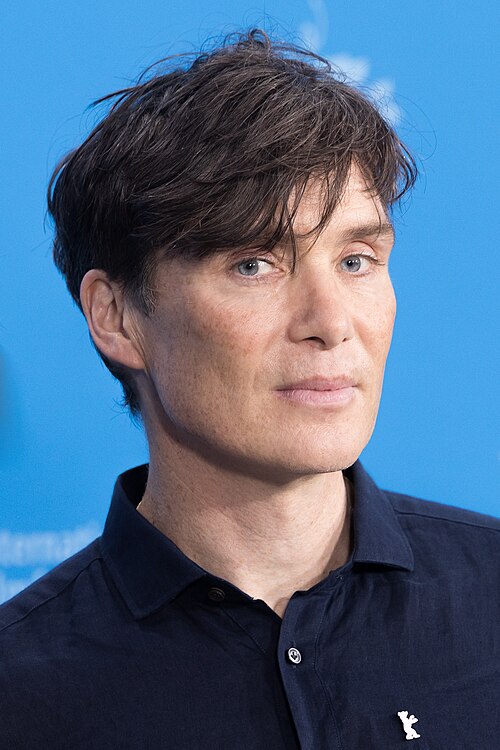
Rossetti’s carol has enjoyed an unexpected afterlife in modern popular culture, becoming a meme from the British TV series Peaky Blinders starring Cillian Murphy. The show follows a criminal gang in Birmingham in the years after the First World War. Murphy plays their leader, Irishman Tommy Shelby. He recalls singing In the Bleak Midwinter on Christmas day in the trenches on the Somme as his men await a Prussian attack. They pledge that if they survive they will say the words any time they face imminent danger of death. If, like me, you’ll take any excuse to gaze on Cillian Murphy’s splendid cheekbones and ice blue eyes watch this Bleak Midwinter clip.
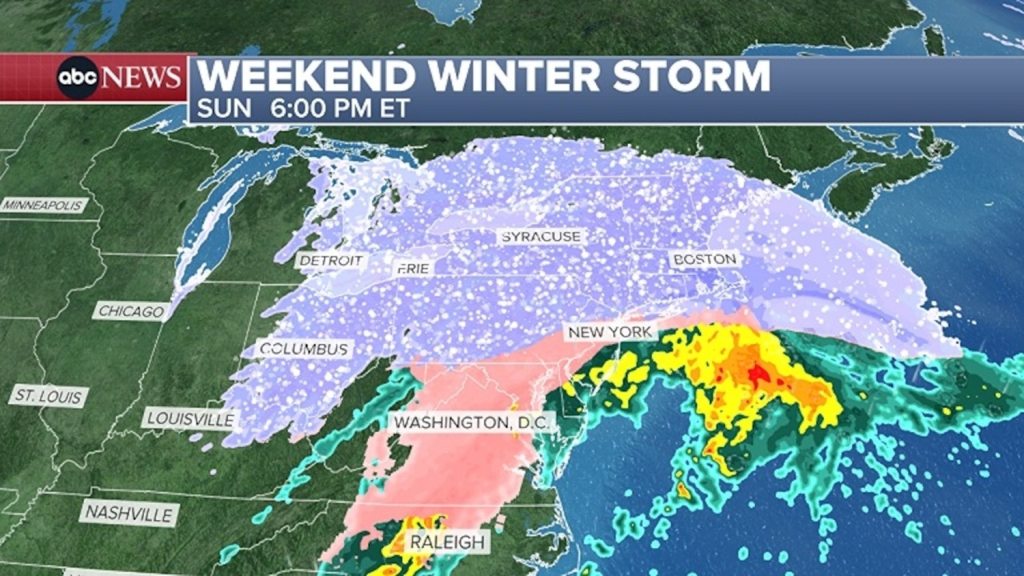
As I write the bleak midwinter that meteorologists have likened to the apocalypse has arrived. Weather maps show the entire country smothered in snow and ice. Around my house the frosty wind makes moan and out the window I see snow on snow, snow on snow.

 Dispatches From the Former New World