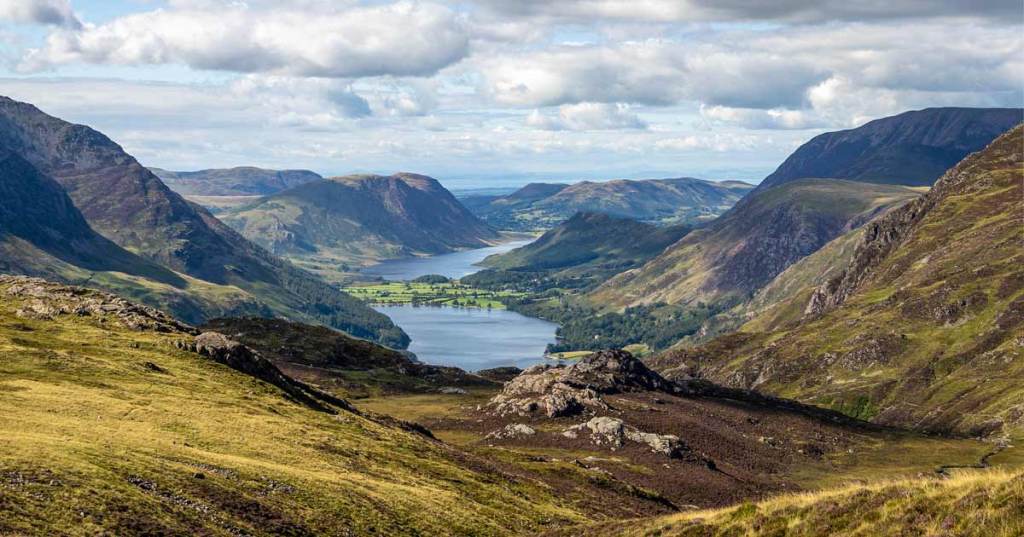
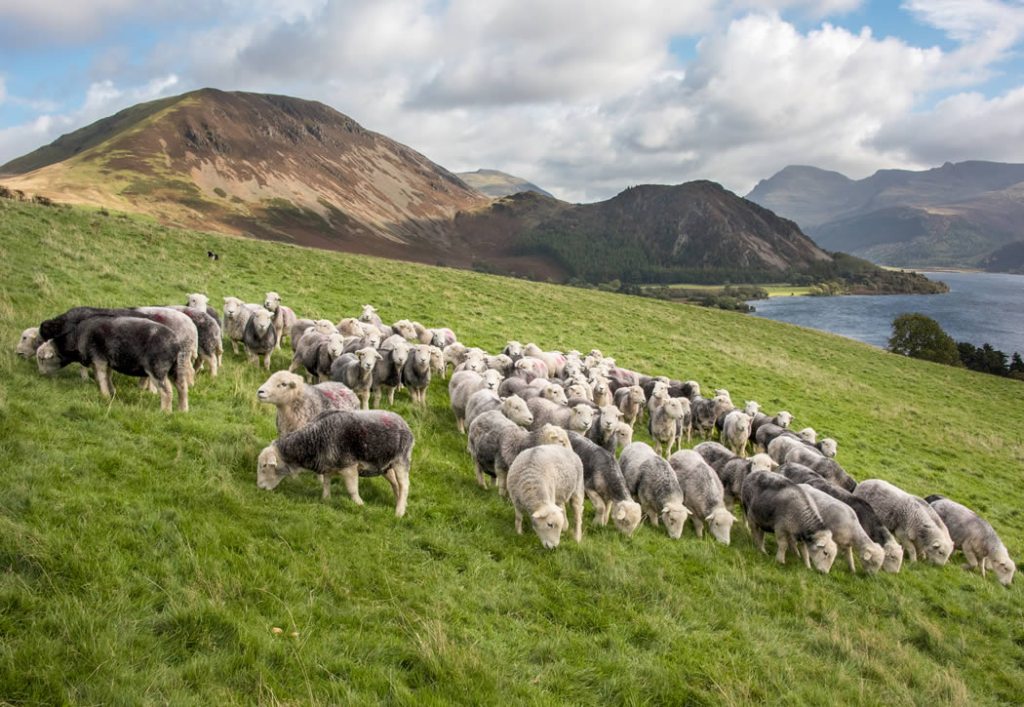
This is my favorite landscape, the English Lake District. To me it’s the epitome of a natural landscape, wild and rugged,. with no sign of human interference. I recently learned it is anything but. The landscape as we know it today is the result of thousands of years of human activity, and of the sheep introduced by humans free grazing on the fells, cropping all the vegetation short.
According to the Rewilding Britain organization, it would look like this after fifty years of rewilding:
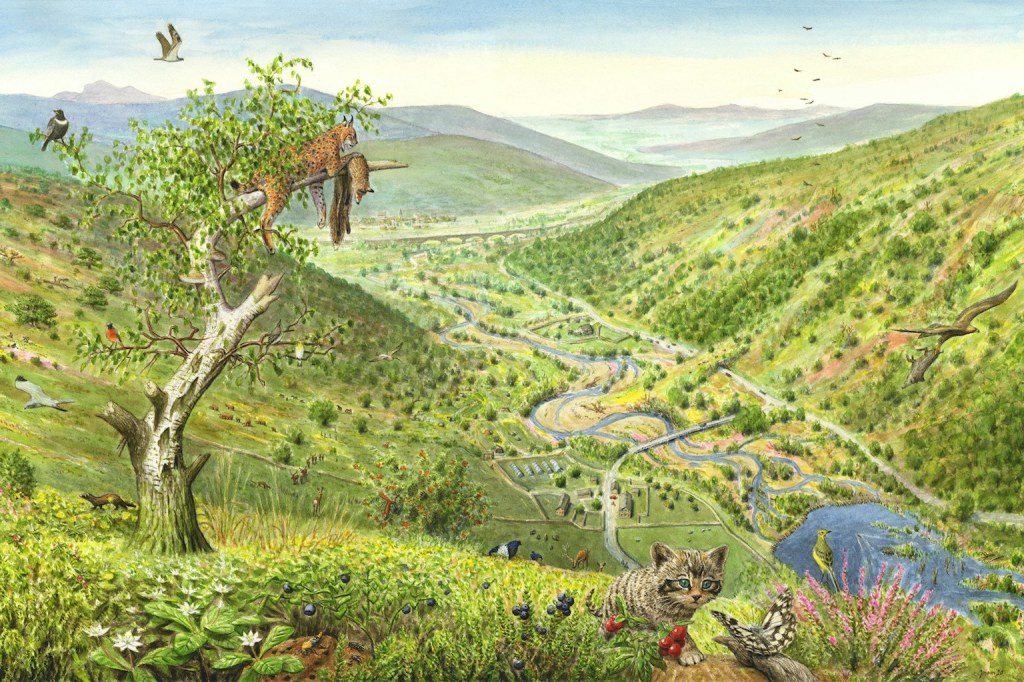
The fells of a rewilded Lake District would be covered in deciduous trees, shrubs, grasses, and wildflowers. There would be a richer diversity of wildlife, animals and birds not seen there for centuries.
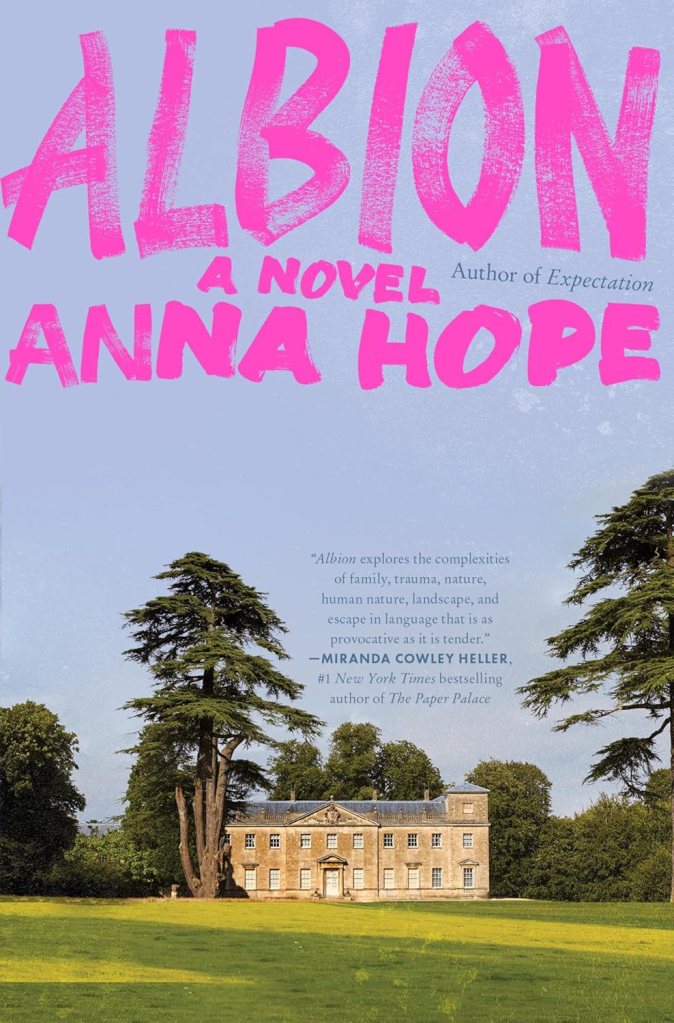
I learned this by reading a work of fiction, Anna Hope’s Albion. The cover suggests a conventional English family saga or an Austen-inspired novel of manners. But according to the jacket blurb it is a “nuanced family saga of inheritance and accountability that shakes the country house novel to its foundations.” It begins conventionally enough with the Brooke family gathering for the funeral of their father Philip. Eldest daughter Frannie is inheriting the estate which has been in the family since the eighteenth century. The original landscape was designed by the (real) garden designer Humphrey Repton, a leading proponent of the natural parkland style. Of course this style was not “natural” at all. It can be seen in the famous Gainsborough portrait Mr. and Mrs. Andrews, the young couple’s status confirmed by the sweeping parkland that takes up most of the picture.
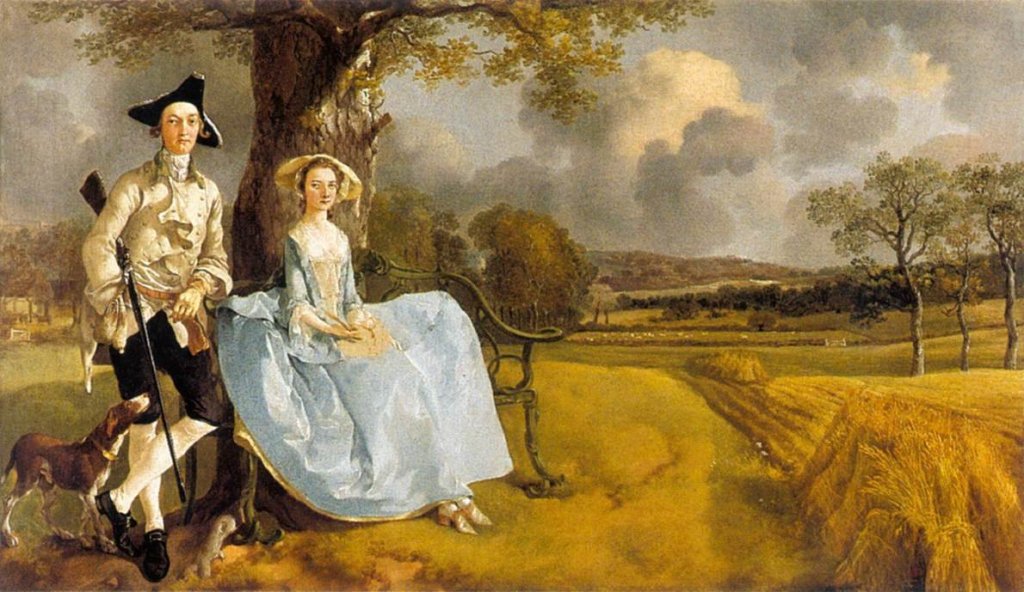
Henry Brooke, the ancestor who founded the Albion estate, was painted with his family in this style, the portrait still hangs in the house. Philip Brooke had a photo of his family taken in similar pose by the same oak tree. But the continuity of family tradition is about to be disrupted.
An unexpected guest at the funeral reveals the ugly source of the wealth that purchased the estate in the eighteenth century, while the Brooke siblings argue over its future. For the last decade Frannie and her father have been dedicated to rewilding the landscape, a project she is determined to continue. This is as much a story of the English land as it is of a family.
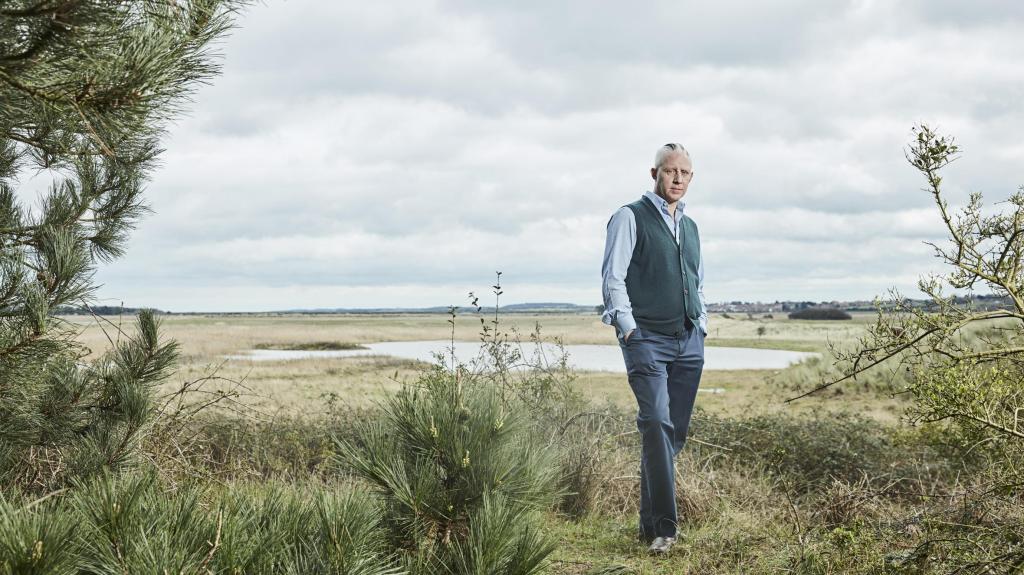
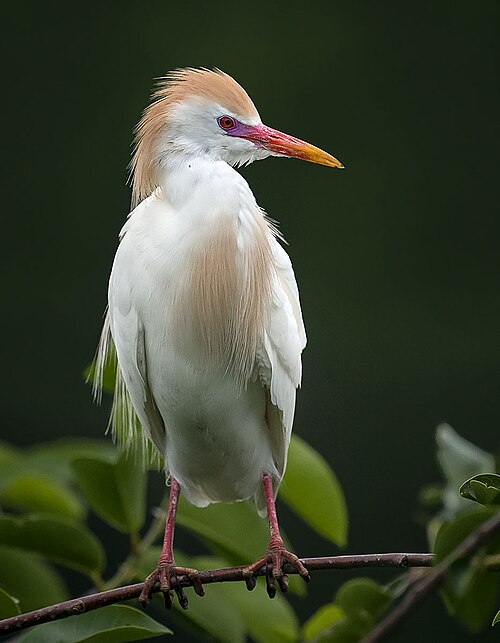
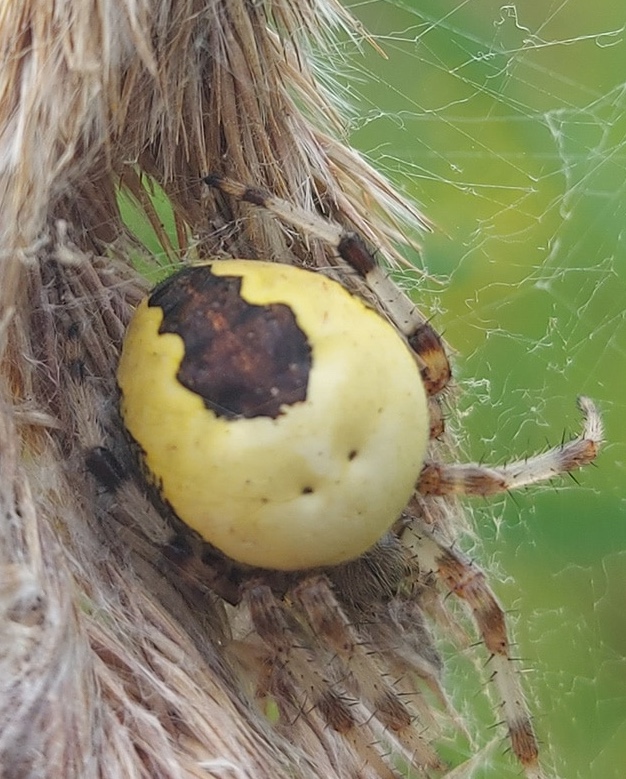
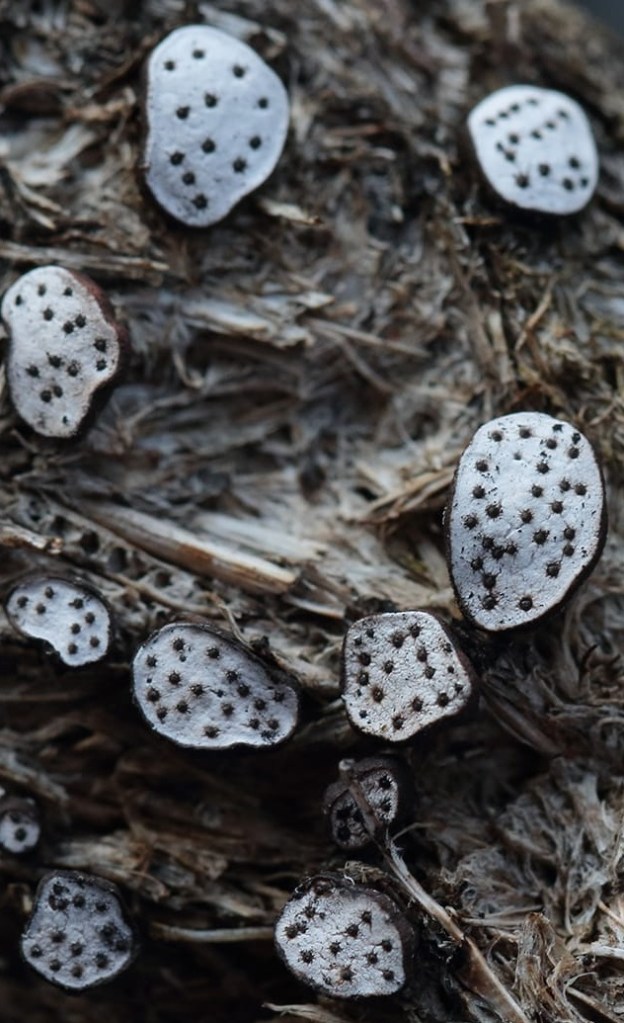
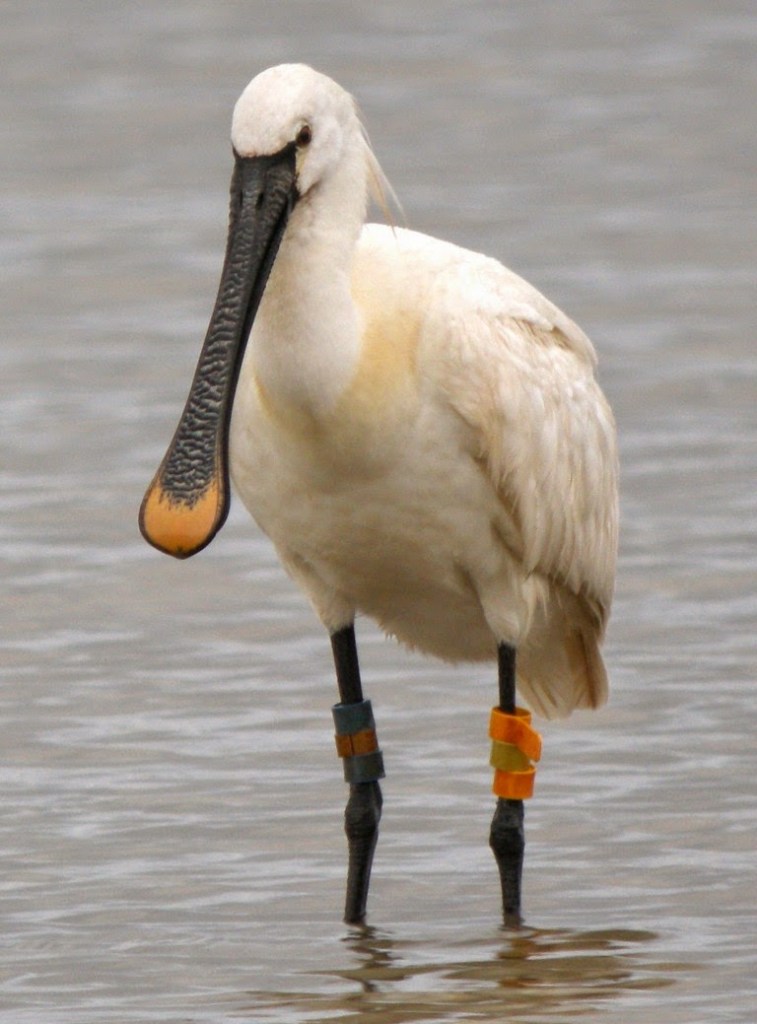
Rewilding isn’t just a matter of leaving nature to its own devices; it is a gradual transformation that must be carefully managed, introducing native flora and fauna over time. In the novel the introduction of beavers is a major milestone. In the real world one of the best known examples is the Holkham Estate in Norfolk managed by the conservationist Jake Fiennes (yes he is the brother of actors Ralph and Joseph). He began his career at the pioneering Knepp Estate in Sussex led by Isabella Tree. Holkham is part nature reserve and part farm. Fiennes has succeeded in bringing conservationists and farmers together in a concept he calls “land sharing.” England’s famous hedgerows are key; making them larger gives wildlife sanctuary alongside arable fields. The rewilded part of Holkham is home to thousands of birds, butterflies, wild flowers, and species once near extinction. Rare species that have made a home here include Cattle Egrets, Spoonbills, Rabbit Dung Button fungi, and the Marble Orb Web Weaver Spider. Fiennes is the author of the bestseller Land Healer: How Farming Can Save Britain’s Countryside.
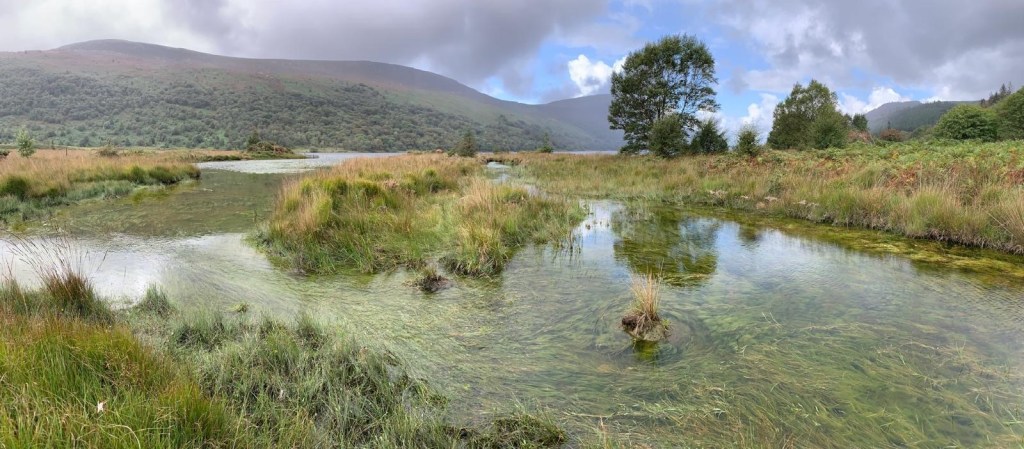
There are rewilding projects in the Lake District. The largest is in Ennerdale valley in west Cumbria where over 100,000 native trees have been planted and the delta of the Liza river has been restored to its natural state. The valley is now home to over 100 bird species and the river teems with fish, including the only migratory Arctic charr in England.
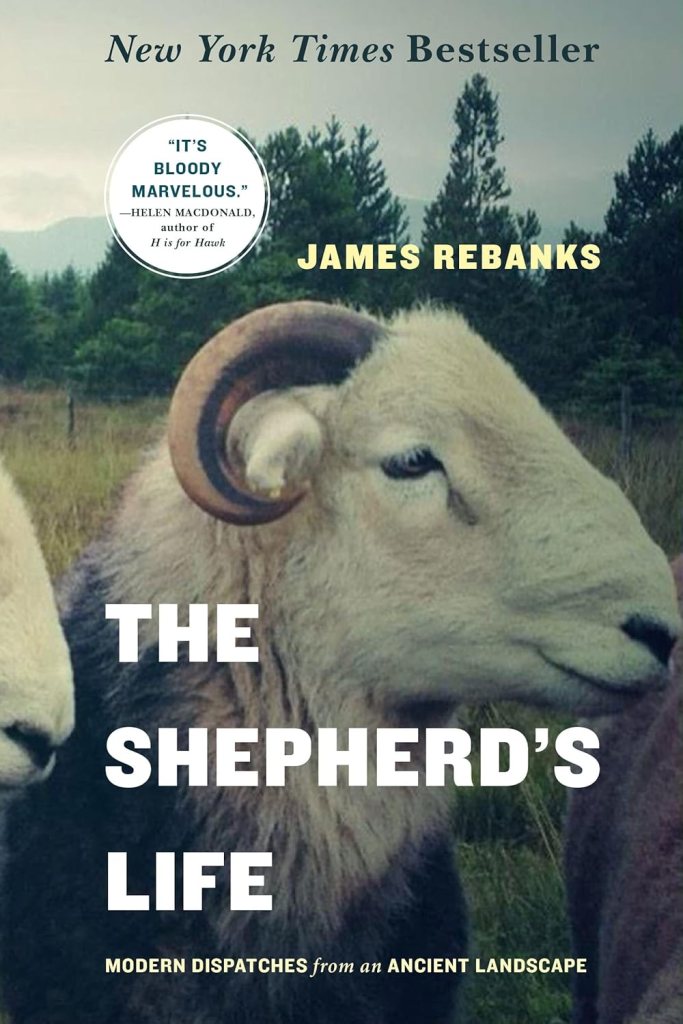
But what of the sheep who have grazed the fells for over 5,000 years? Proponents of rewilding refer to their effect on the land as “sheepwrecking.” What is their place in a rewilded landscape? For answers I turn to my favorite shepherd James Rebanks. His two books about life as a sheep farmer in Matterdale are among my favorite reading of recent years. The first, The Shepherd’s Life, is part autobiography, part history of Racy Ghyll, the farm that has been in his family for 600 years, and part immersion in the shepherd’s year, each season bringing its own joys and challenges. Rebanks dropped out of school to devote full time to the farm work he loved, raising the Lake District’s iconic Herdwick sheep. But then his life took an unexpected turn; he began to read books, a journey that took him all the way to Oxford. He returned to the farm, armed with new knowledge and insight to keep a traditional way of life going in changing times.
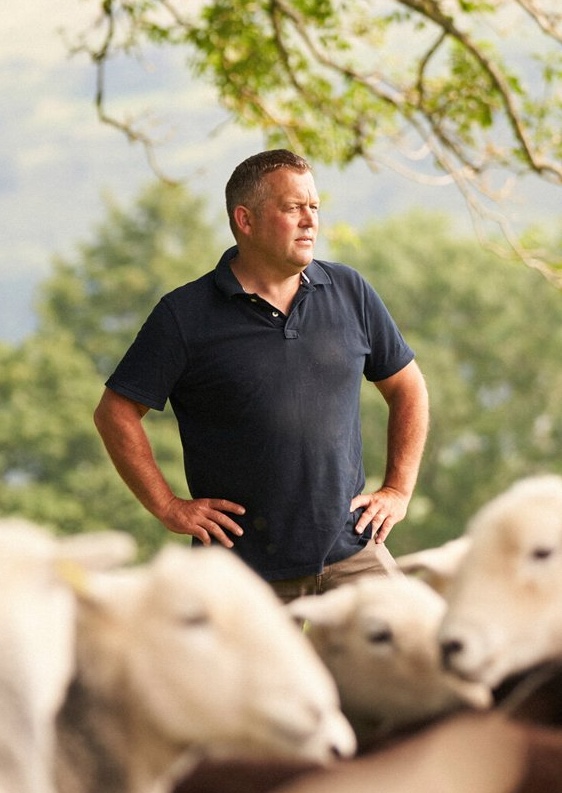
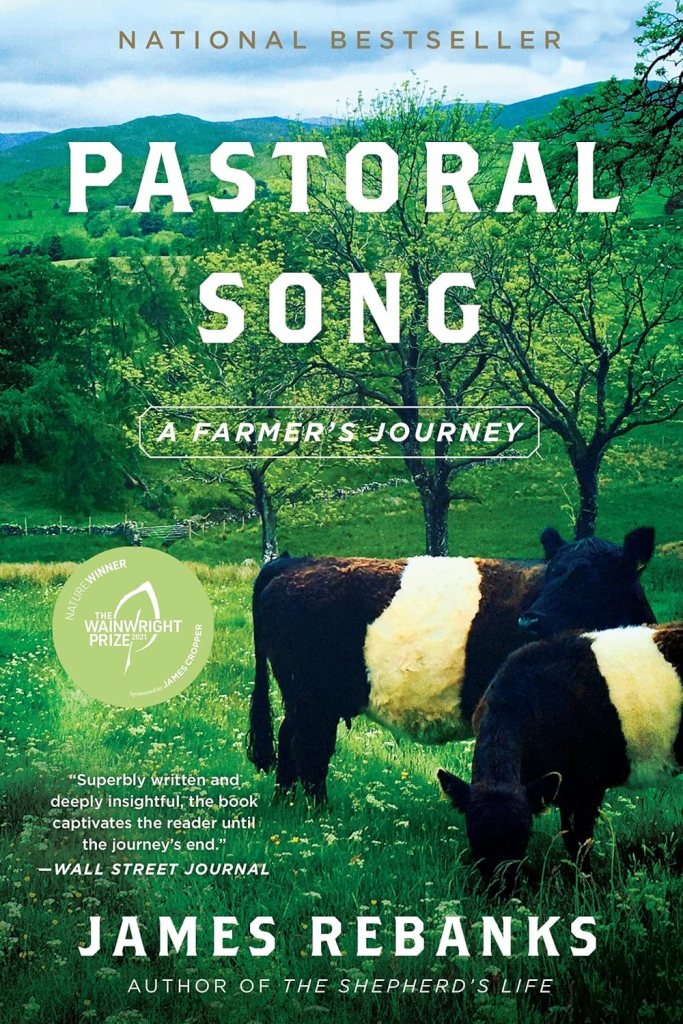
Pastoral Song is an argument against modern industrialized farming methods that are ruinous to the environment. Rebanks, working with a conservationist, takes on the project “of farming with, rather than against nature.” Encouraging weeds, insects, nettles and wildlife is “a really weird switch in mentality” he says, but one that can help battle environmental disaster and save small family farms. He describes the thrill of seeing the first barn owl to make a home in his rafters, a sight that convinced him he was on the right track with his changes. Rebanks is the farming counterpart to conservationist Jake Fiennes. In fact the two men know each other as colleagues in the U.K nature friendly farming community.
I am pleased to report that for now there are still sheep on the fells.

 Dispatches From the Former New World