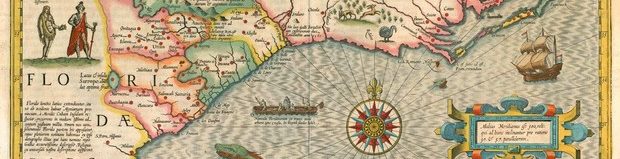
In this edition of On My Bookshelf I rediscover a history lesson.

This little paperback was published by Pelican Books, an imprint founded by Penguin Books in 1937 to offer intellectual nonfiction to ordinary people for “no more than the price of a packet of cigarettes.” The books were very popular in the postwar period, The Guardian calling them an “informal university for ’50s Britons.” My copy of What is History? by E. H. Carr was published in 1965 and shows its age. The pages are not so much yellowed as nicotine colored but the spine has held up. When I open it, for the first time in decades, I see a dedication written inside. A friend gave it to me for Christmas in 1965. She signed it with her schoolgirl nickname which I will refrain from sharing with the world to preserve her dignity. She is one of the few friends from that long ago time I am still in touch with.
What led me back to this book after so long? I remembered it and thought it might shed light on the current controversy over the teaching of history, particularly the history of slavery and race in America. I was not disappointed. This is one of the first relevant quotes I came across:
Continue reading “What is History?”“There is no more significant pointer to the character of a society than the kind of history it writes or fails to write.


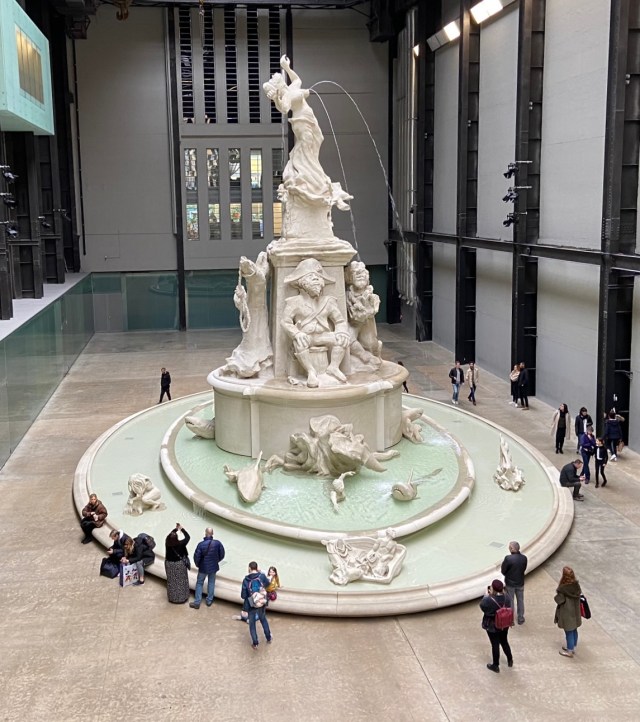 I wasn’t sure what I was looking at. Viewed from the top of the long sloping floor of the former power station it looked like an enormous tiered wedding cake. Perhaps it was the effect of the bland white surface that brought cake frosting to mind. The sculpture stood at the far end of the cavernous Turbine Hall in Tate Modern, where on previous visits we had seen other art installations, none particularly memorable. This would be different. As we came closer we heard the water. The tiers formed not a cake but a fountain, water

 How would you pronounce the name of Poulsbo, a tiny town on the Kitsap Peninsula in Washington State? This is a trick question, because unless you live there or you know someone who does, you are certain to get it wrong. That’s because Poulsbo may be the only town in the United States, or perhaps the world, that ended up with the wrong name. All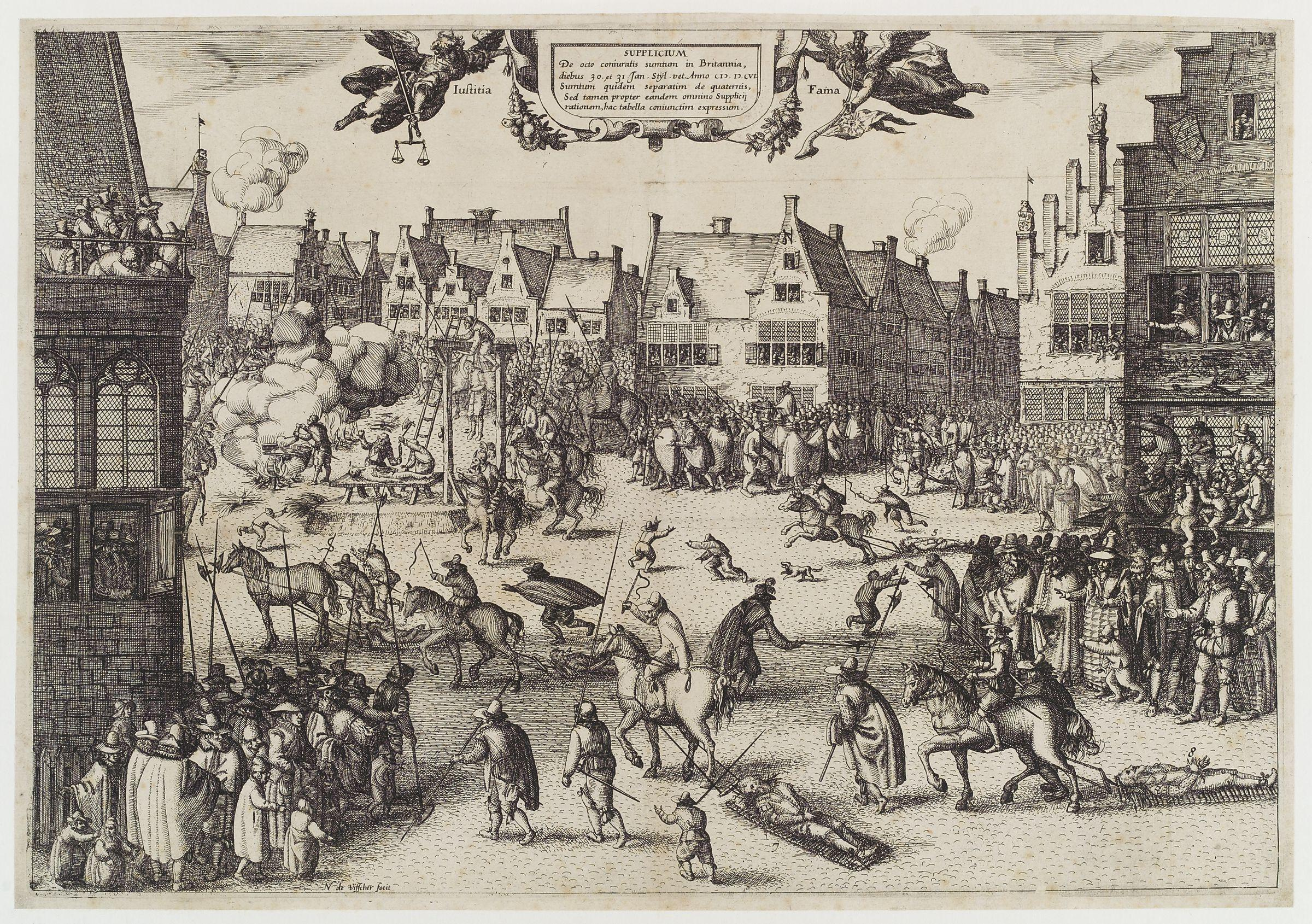
 The bride wore white. The bride wore red. It was an American wedding. The marriage of my cousin Christopher’s daughter Emily and Kunal, the son of Indian-Americans.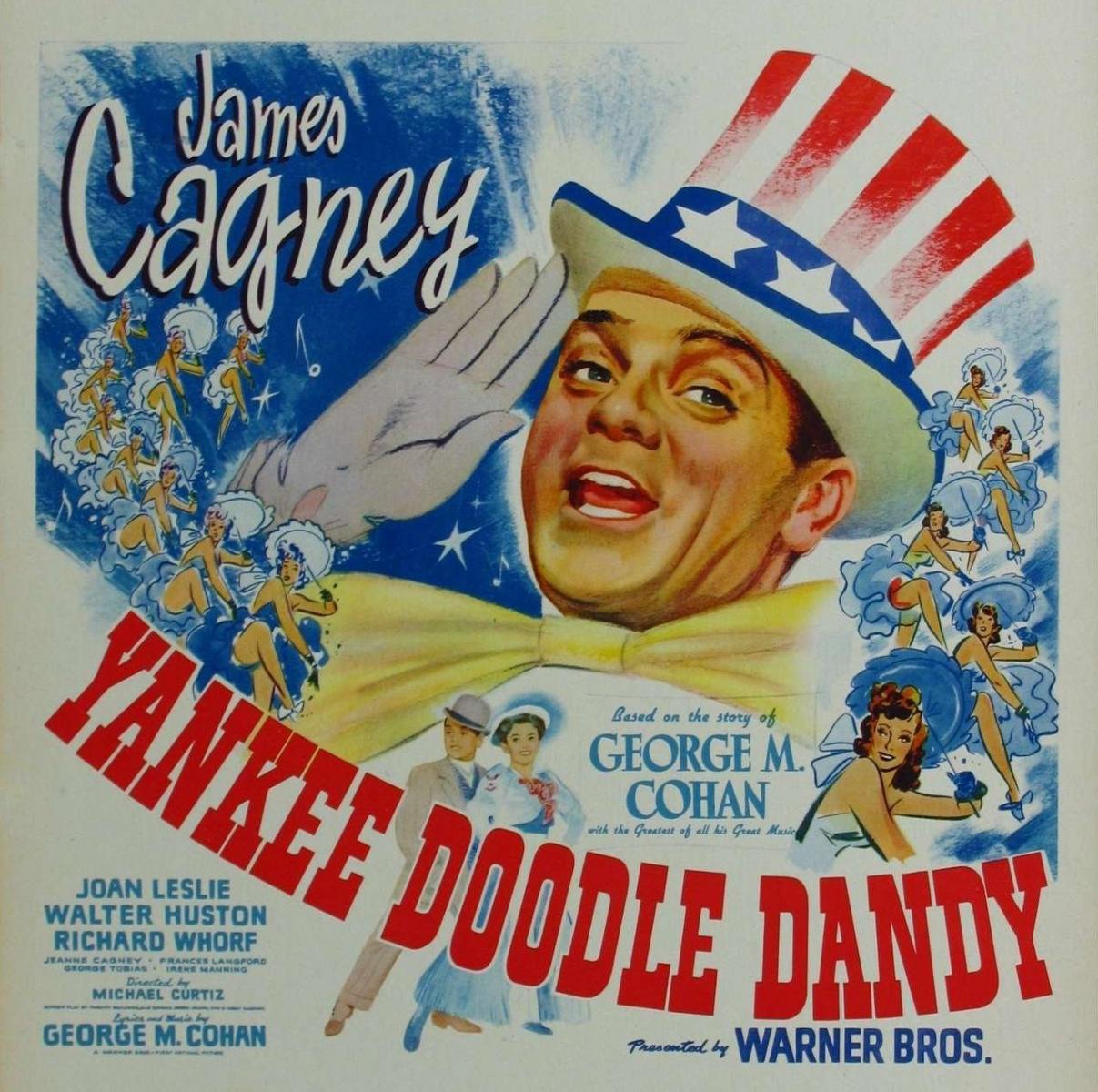
 Dispatches From the Former New World