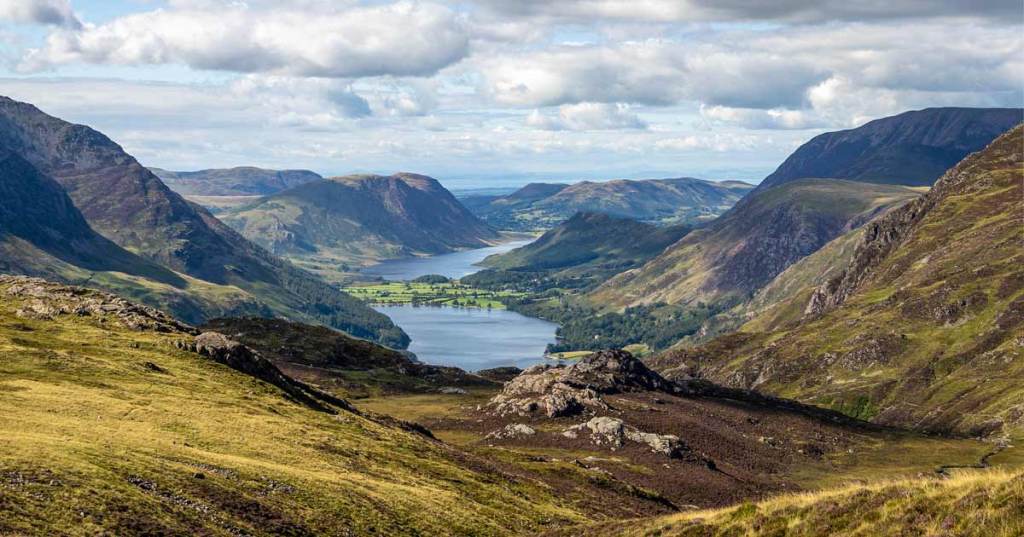
This is my favorite landscape, the English Lake District. To me it’s the epitome of a natural landscape, wild and rugged,. with no sign of human interference. I recently learned it is anything but. The landscape as we know it today is the result of thousands of years of human activity, and of the sheep introduced by humans free grazing on the fells, cropping all the vegetation short.
According to the Rewilding Britain organization, it would look like this after fifty years of rewilding:
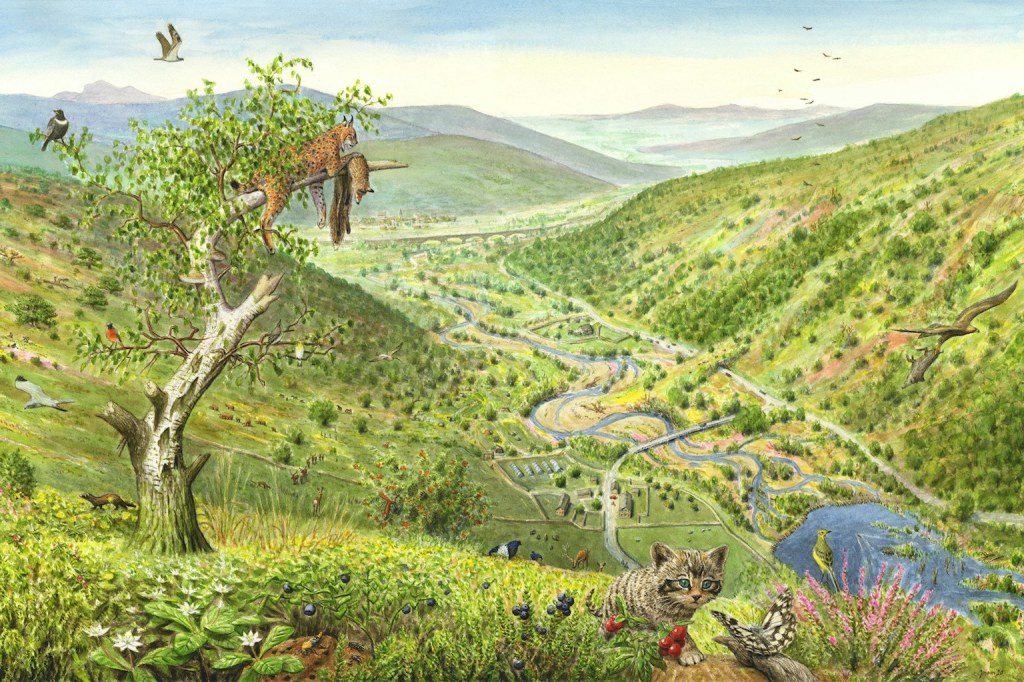
The fells of a rewilded Lake District would be covered in deciduous trees, shrubs, grasses, and wildflowers. There would be a richer diversity of wildlife, animals and birds not seen there for centuries.
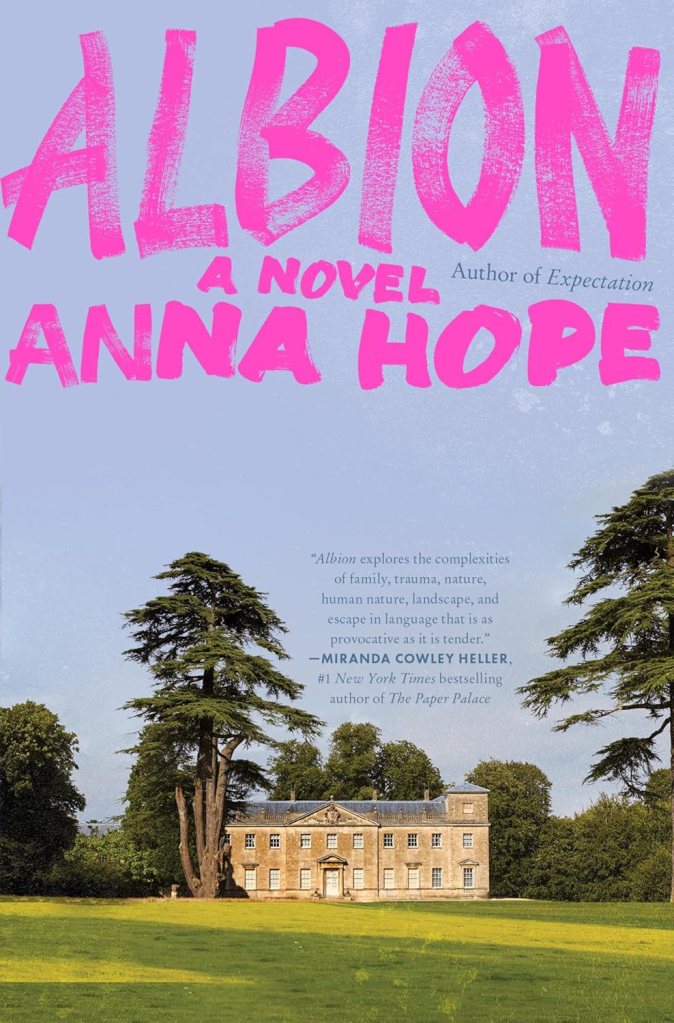
I learned this by reading a work of fiction, Anna Hope’s Albion. The cover suggests a conventional English family saga or an Austen-inspired novel of manners. But according to the jacket blurb it is a “nuanced family saga of inheritance and accountability that shakes the country house novel to its foundations.” It begins conventionally enough with the Brooke family gathering for the funeral of their father Philip. Eldest daughter Frannie is inheriting the estate which has been in the family since the eighteenth century. The original landscape was designed by the (real) garden designer Humphrey Repton, a leading proponent of the natural parkland style. Of course this style was not “natural” at all. It can be seen in the famous Gainsborough portrait Mr. and Mrs. Andrews, the young couple’s status confirmed by the sweeping parkland that takes up most of the picture.
Continue reading “Rewilding England” Dispatches From the Former New World