
They left to escape the famine, poverty, an oppressive colonial government, then the violence of rebellion and civil war. They left to find work, to send money home to their families, to find opportunities in the big industrial cities far from their small rural cottages. Some sailed east to England, some west to America, and some south to Australia. Many, like my grandmother, never spoke of Ireland again. So I have had to piece together my Irish family’s history from snatches of conversation overheard in childhood, bits and bobs of story learned from relatives, facts discovered in online archives, and a box of Continue reading “Leaving Ireland”
 Myths of Power: A Marxist Study of the Brontes by Terry Eagleton, published in 1975. Quite what this book is doing on my bookshelf I have no idea. I must have acquired it long, long ago judging by the antique fashion in literary criticism it represents. Back in the 1960’s when I was educated at an English university the term “dialectical materialism” was tossed around with abandon by anyone wishing to seem a true intellectual. Marx was dragged into analysis of just about anything. But the Brontes? Surely not. The wild romantic moors of Yorkshire seem a world away from theories of an oppressed proletariat and dominant bourgeoisie locked in class struggle. Or are they? I don’t remember reading the book in the past but I decided to dig in and see if Marx can really shed light on the Bronte novels.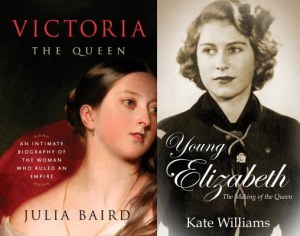


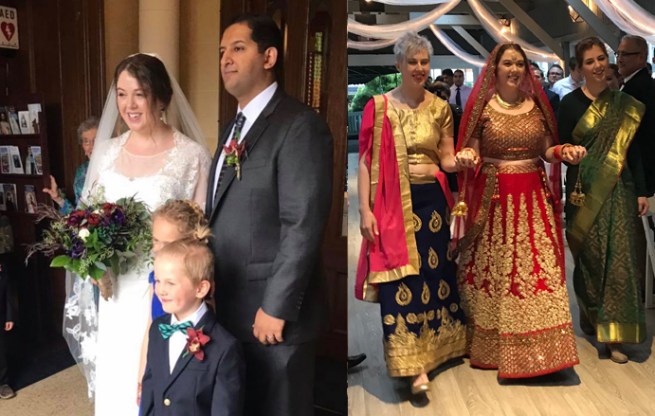 The bride wore white. The bride wore red. It was an American wedding. The marriage of my cousin Christopher’s daughter Emily and Kunal, the son of Indian-Americans.