These are my favorite books of the year so far. I’ve also read some downright silly, some forgettable, and some dreadful books which will get a mention at the end.
Fiction
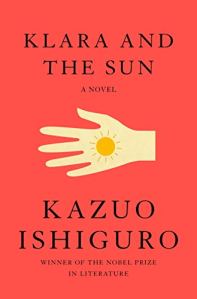
Think you could never feel heartache for a robot? Surrender to the magic of Ishiguro’s writing. Klara is an AF, a solar-powered Artificial Friend, purchased as a companion for Josie, a teenage girl who suffers from a mysterious illness. Klara is programmed to recognize and respond to human emotions and to always place the needs of her human first. She narrates the story, so we see the human world through her eyes, a disorienting combination of astute observation and naivety. As in Ishiguro’s most famous novels, The Remains of the Day and Never Let Me Go, the disturbing truth about Josie’s society and her illness are gradually revealed. When Klara decides she needs help to complete her mission she turns to the higher power who gives her life, the Sun. Once again Ishiguro’s hypnotic prose holds the reader in a spell.
Continue reading “Half a Year of Reading”

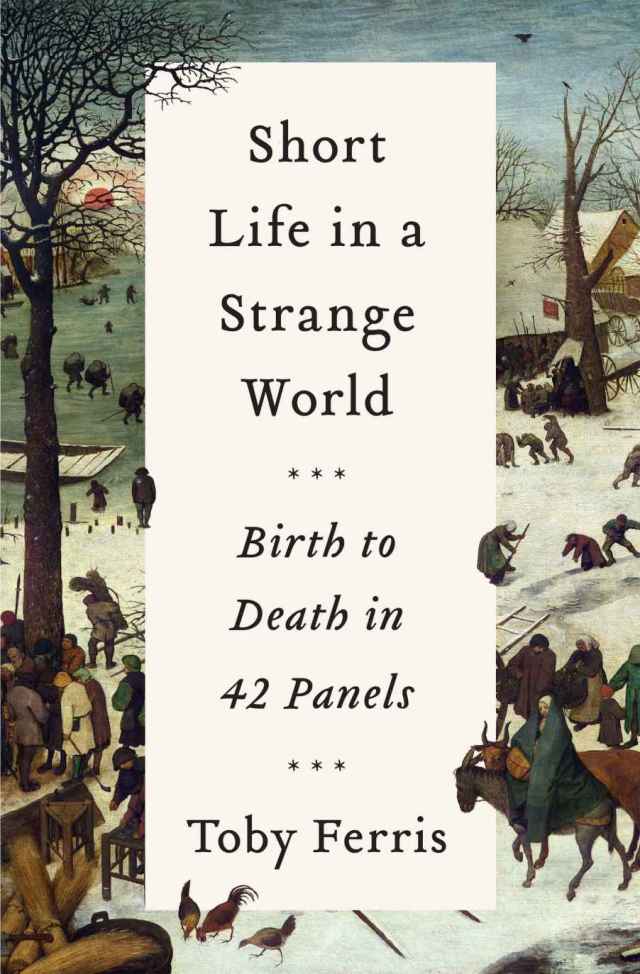 I bought this book on impulse because I will read anything about Bruegel. Perhaps it is my Flemish heritage that draws me to his work. I imagine my ancestors among the peasant crowds in his village scenes. It was only when I held the book in my hands that I recognized the author’s name. Toby Ferris wrote for The Dabbler, the site that first hosted my Dispatches, and he created
  Perhaps it was the restlessness induced by quarantine that had me prowling my own bookshelves in search of diversion. I needed a break from the world of Thomas Cromwell in Hilary Mantel’s The Mirror and the Light. (I know it is tantamount to sacrilege to criticize Miss Mantel, whose Cromwell trilogy I agree is a magnificent achievement, but did we need the menu for his every meal in the year leading up to his execution, surely the last meal would have been sufficient?) In this grumpy mood I came upon The Singing Game by Iona and Peter Opie, the legendary English folklorists, a book I hadn’t picked up


 Dispatches From the Former New World