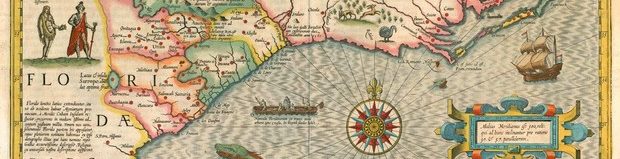
Spring is here at last and my thoughts turn to the garden. Weeds are already beginning their annual takeover before I’ve even finished cleaning up the dead remains of summer past. A good time to reprise my garden dream first published in The Dabbler in 2013. One bit of good news – no mad robin disturbs the spring idyll this year.

As I write the demented robin who inhabits the dogwood tree in our garden is repeatedly flinging himself against the window in a kind of avian kamikaze assault. The thump, thump, thump of bird meeting glass is a strange counterpoint to the sweet tweeting and trilling of the other garden birds. I don’t know why the robin does this every day for hours, Continue reading “The Dream of an English Garden”
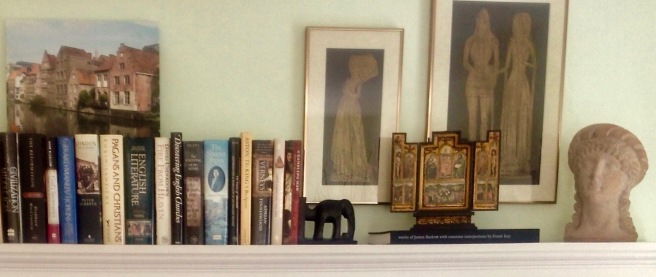
 Myths of Power: A Marxist Study of the Brontes by Terry Eagleton, published in 1975. Quite what this book is doing on my bookshelf I have no idea. I must have acquired it long, long ago judging by the antique fashion in literary criticism it represents. Back in the 1960’s when I was educated at an English university the term “dialectical materialism” was tossed around with abandon by anyone wishing to seem a true intellectual. Marx was dragged into analysis of just about anything. But the Brontes? Surely not. The wild romantic moors of Yorkshire seem a world away from theories of an oppressed proletariat and dominant bourgeoisie locked in class struggle. Or are they? I don’t remember reading the book in the past but I decided to dig in and see if Marx can really shed light on the Bronte novels.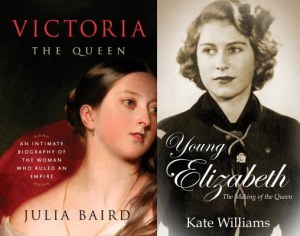

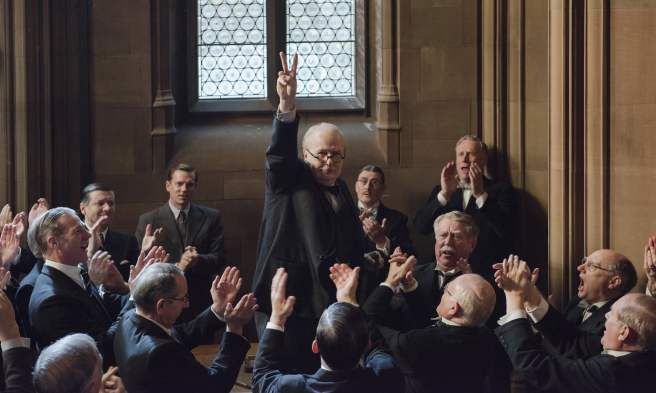 I finally got to watch the much lauded film The Darkest Hour last weekend. Gary Oldman’s performance as Winston Churchill certainly deserved the Oscar Award for Best Actor. Equally deserving were the creative group who won the Oscar for Makeup. In real life Oldman looks nothing at all like Churchill, but with an inspired combination of acting skill and makeup bravura he pulls off the seemingly impossible. Director Joe Wright brings a suspenseful “you are there” quality to the story of Churchill’s first days in office in 1940, battling with political rivals who favored a pact with Hitler and strategizing to save the British army trapped in Dunkirk. It is a “warts and all” portrait including Churchill’s excessive drinking and his controversial decision to sacrifice the garrison at Calais to buy time to evacuate the troops from Dunkirk. So far, so historical. But then came a scene I knew was an anachronism. Churchill giving his famous V sign for Victory. But that couldn’t have happened in 1940 for the V campaign didn’t start until

 Dispatches From the Former New World