For my series On My Bookshelf I pick the book in my library with the weirdest title.
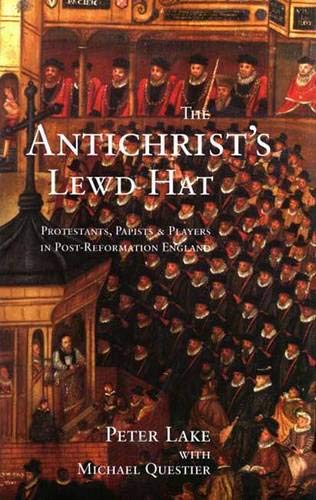
I could have titled this Pamphlets in Early Modern England or Post-Reformation Pamphlets, but like the author of the book I went with the more intriguing title, click bait you could say. Peter Lake doesn’t get around to explaining the odd title till page 584 of a 731 page book. I promise I won’t make you wait that long.
I confess I bought the book impulsively because of the title and a quick glance inside telling me it is about pamphlets, the early modern equivalent of today’s tabloids and sensational news websites. I shared an interest in historical pamphlets with my late brother Paul (Frank Key) who began creating little pamphlets as a child. His first published works were pamphlets printed by Malice Aforethought Press, a project he started with university friends. One of the eccentric characters he created for his imaginary world of Hooting Yard is Dobson, a prolific out-of-print pamphleteer.
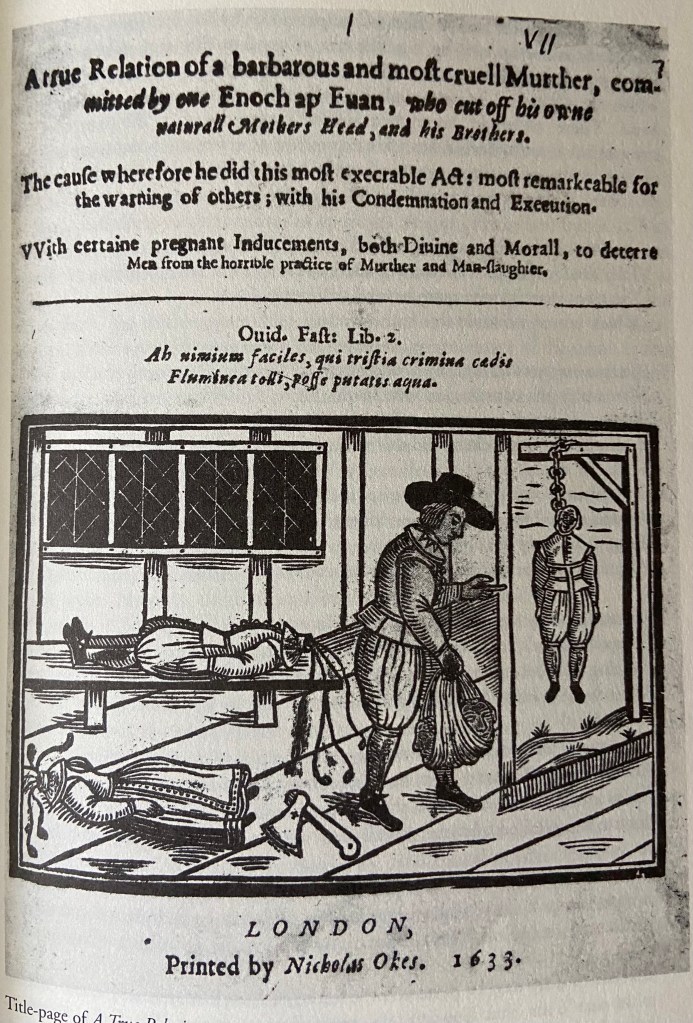
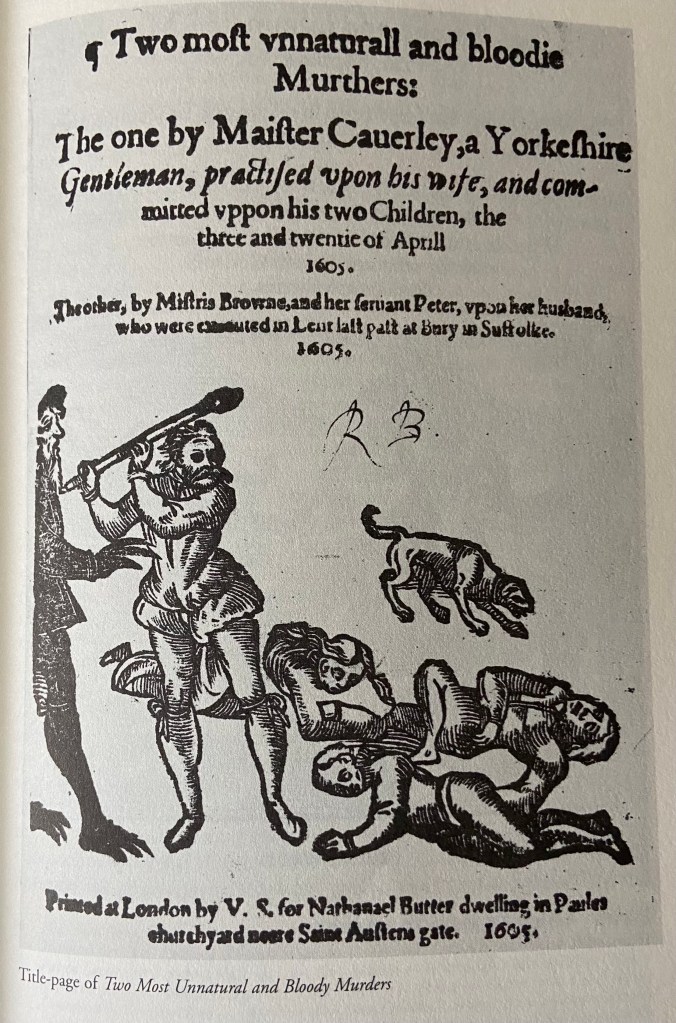
The pamphlets Lake examines in this book are cheaply produced true crime stories of gruesome murders with sensational titles and crude woodcut illustrations. Think of them as the sixteenth and seventeenth century versions of today’s true crime TV shows and podcasts. Readers are not spared any gory details of the murders or the executions. The stories follow a moral arc from condemnation to redemption, as criminals are shown repenting and making a “godly” death on the scaffold. From street pamphlets they migrated into cautionary tales told from the pulpit and the stage. Lake shows how the religious factions in post-Reformation England – Protestants, Puritans, and Catholics – enlisted the pamphlets to their own propaganda purposes. As Protestants showed criminals repenting on the scaffold, so Catholics showed priests executed for treason affirming their faith and embracing martyrdom as they faced death.
Illustrations of the execution of Edmund Campion, Catholic martyr.
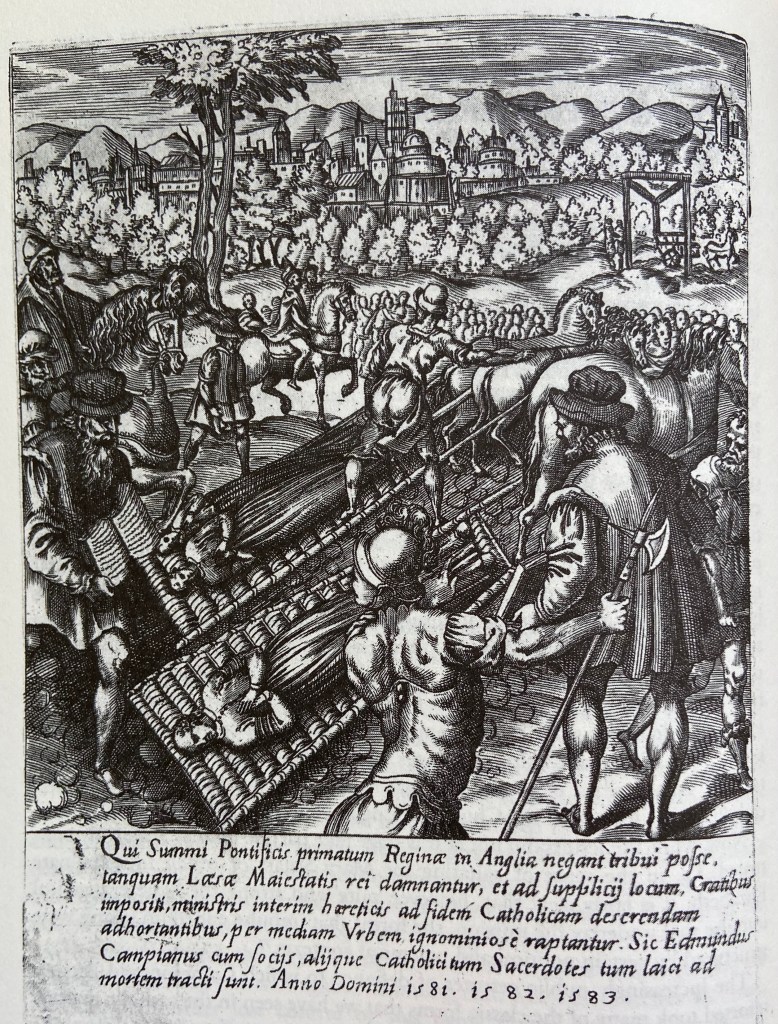
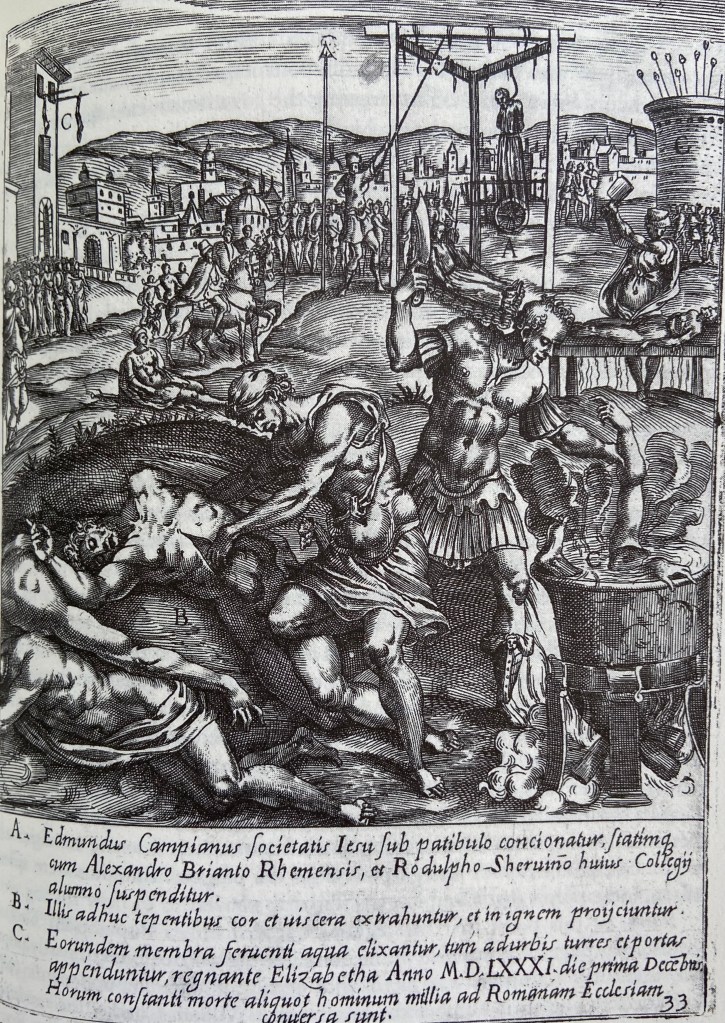
The book takes us to the print shops, book stalls, pulpits, prisons, theatres, and public execution sites of post-Reformation London. Lake examines what they reveal about the times, and yes, despite his sensational material his prose is very dry:
Print, theatre, and pulpit enacted the personal, spiritual, and theological tensions of the time… The texts articulated, exploited, and allayed anxieties in a time of political, religious, and social change… The pulpit, the stage, and the pamphlet press should be seen as being in competition for essentially the same audiences.
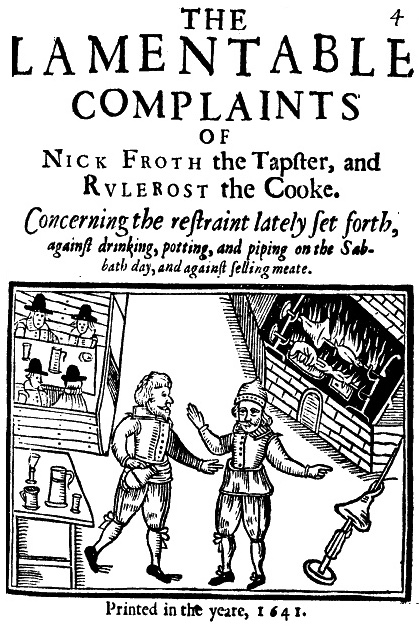
Despite the redemptive theme of the stories their crude violence provoked censure, especially from Puritans. The pejorative term Grub Street for the popular press originated at this time, named for a real London street with many cheap print shops and lodgings for poor writers. In turn Grub Street began to lampoon Puritans for their stern rules against any form of fun and their insistence on plain dress. This theme soon spread to the theatre.
That brings us to the Antichrist’s lewd hat! The reference comes from Ben Johnson’s 1610 comic play The Alchemist. The character Deacon Ananias is a spokesman for an extreme rejection of all vanity and display. He is even against the use of starch for creating those flamboyant ruffs, calling it an idol. He denounces Kastril, a vain young man, with the ludicrous words:
they are profane, lewd, superstitious and idolatrous breeches…avoid Satan! Thou art not of the light! That ruff of pride about thy neck betrays thee… Thou look”st like Antichrist in that lewd hat.
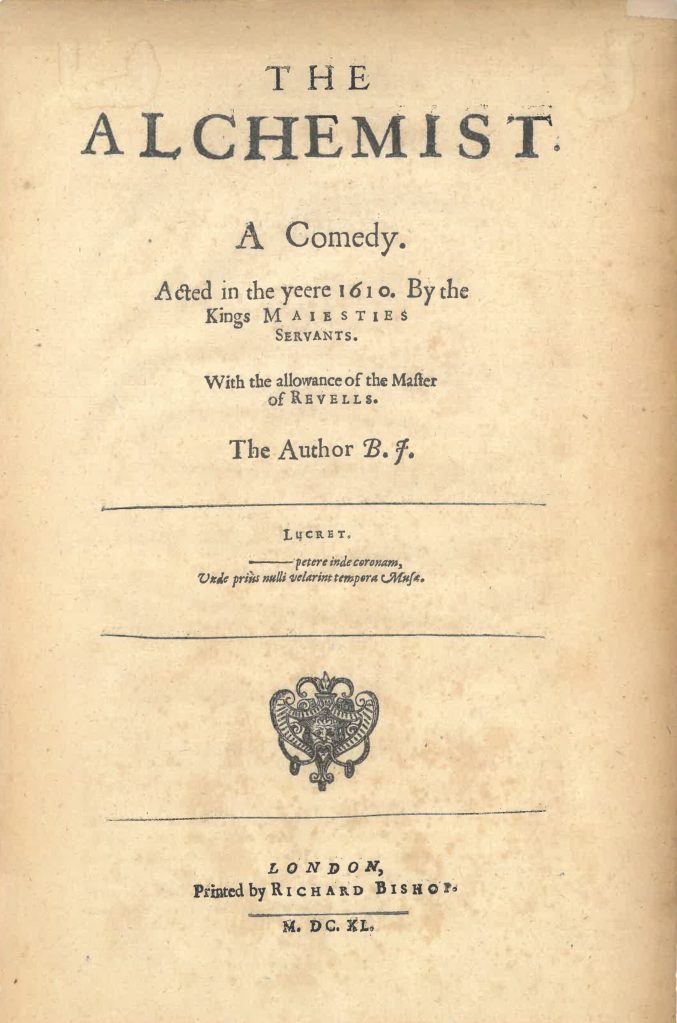
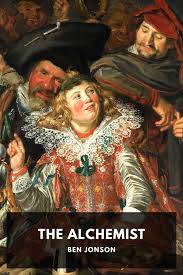
The term Antichrist’s lewd hat could also refer to the Pope’s mitre. In this period many Protestants and Puritans identified the Pope as the Antichrist. So the audience for Ben Johnson’s play would hear Ananias denouncing Kastril not only for his fancy dress, but also as a probable Catholic or Catholic sympathizer.
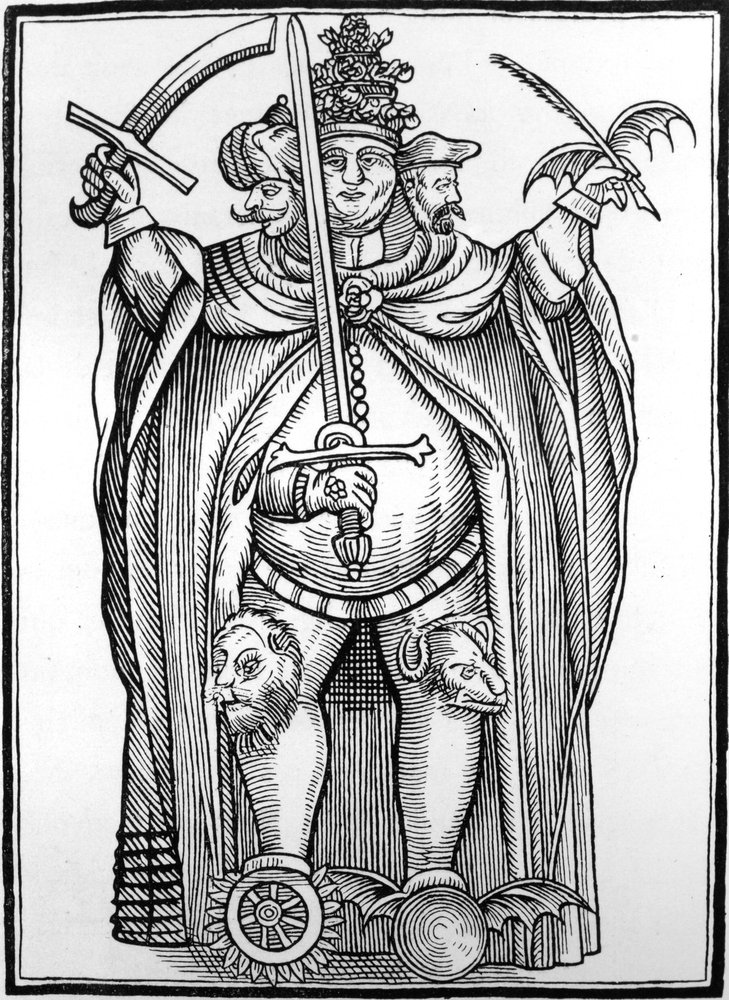
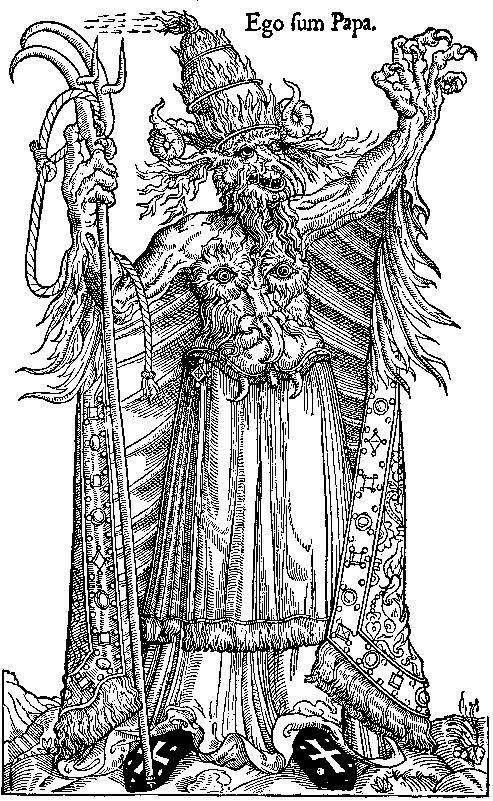
Finally, here is the cover of my brother’s first Malice Aforethought Press catalog. He was clearly inspired by the historical pamphlets we both found so fascinating.
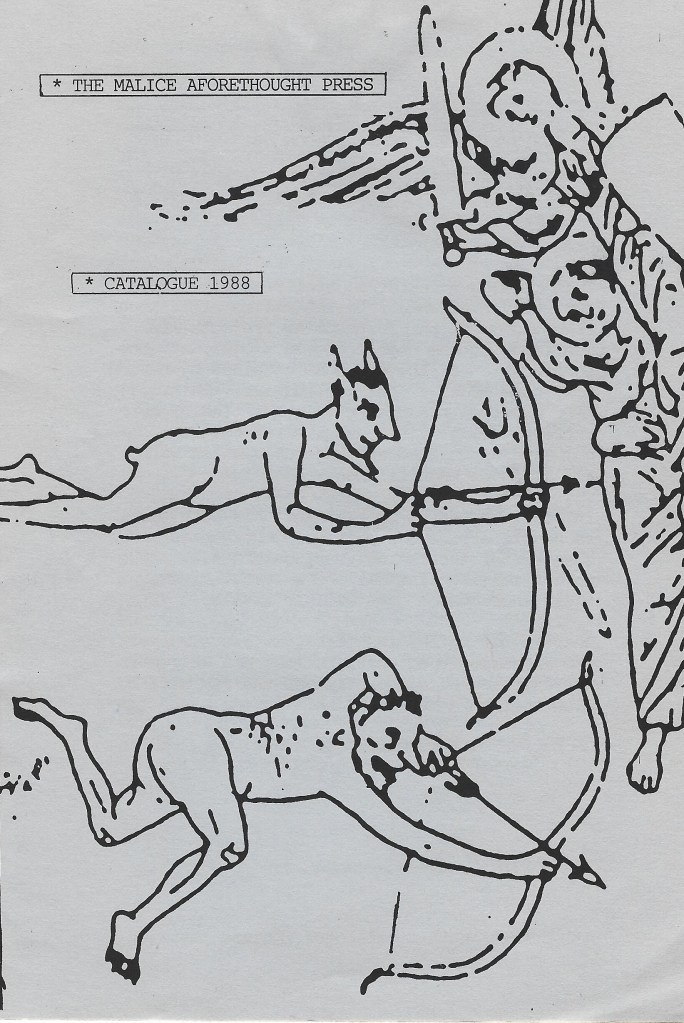
The titles within can match The Antichrist’s Lewd Hat for weirdness: Hoots of Destiny, House of Turps, Smooching With Istvan, Forty Visits to the Worm Farm, and A Zest for Crumpled Things. Another title, Two Tracts: The Found Sheep Lost and The Ladder of Virtue, was clearly inspired by the religious tracts of the Reformation/Post-Reformation period. The matter within gloriously defied rational analysis. When my daughter was five years old she offered an incisive piece of literary criticism when read Forty Visits to the Worm Farm at bedtime. “But Uncle Paul” she said, disputing the accuracy of the title, “they never get to the worm farm!” You can sample his work at The Hooting Yard Archives.
Peter Lake does eventually get around to explaining his weird title, but only after testing our patience to the max.

 Dispatches From the Former New World
“And what should they know of potatoes. Who only potatoes know.” (Out of Print) Is a favourite Dobsonian of mine.
LikeLike