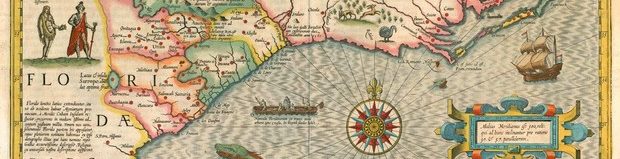

This is a sequel to Half a Year of Reading posted in July.
In the second half of 2021 I read even more books than from January to June. Though I won’t give a number. I don’t count because for me it’s not a competition or a goal to check off. I find the comments on Facebook reading group pages very dispiriting as people stress over meeting reading goals. As if we didn’t have enough to stress about in 2021! I’m like Thomas Jefferson, “I cannot live without books.” More time for reading opened up as my grandsons went back to real school in September and I no longer had to supervise virtual learning. Much as I enjoy spending time with the boys I can tell you that this was not quality time!
I read books old and new, highbrow and lowbrow, but all well-written. I have no patience for poorly written books however much they may be hyped in the media. I threw aside one book that sounded promising, a World War II spy story, because in the first paragraph a character gave a “lop-sided grin.” I assure you no such tired cliches appear in my favorite books.
Fiction






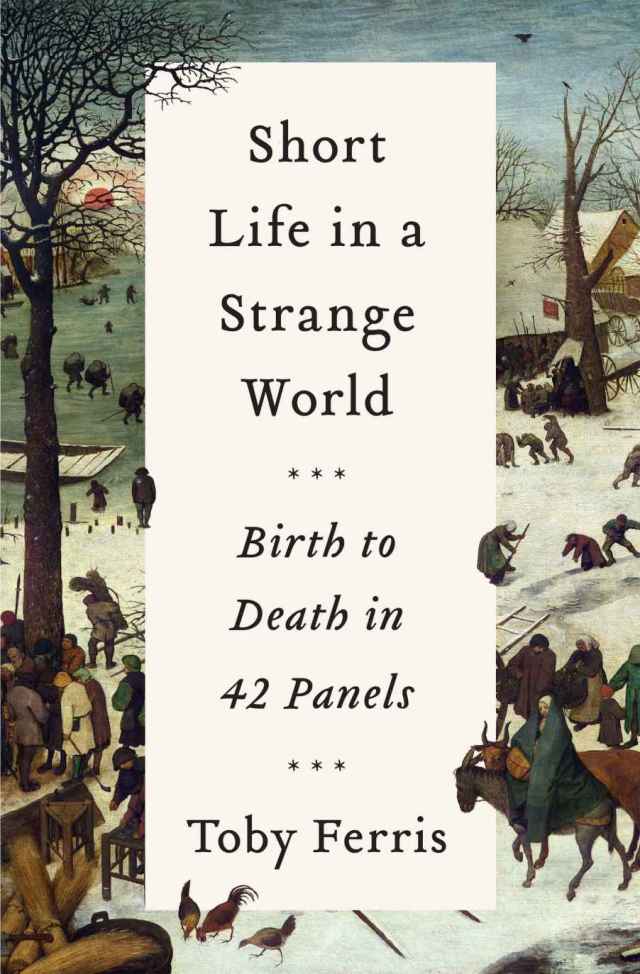 I bought this book on impulse because I will read anything about Bruegel. Perhaps it is my Flemish heritage that draws me to his work. I imagine my ancestors among the peasant crowds in his village scenes. It was only when I held the book in my hands that I recognized the author’s name. Toby Ferris wrote for The Dabbler, the site that first hosted my Dispatches, and he created
