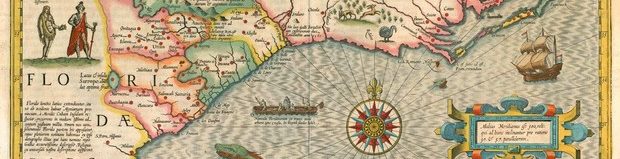

The Anglo-Saxons have been in the news lately, but not in a good way. A proposal to form a Congressional Caucus to promote “Anglo-Saxon values” turned out to be a bit too explicit a nod to White Supremacists, even for the current iteration of the GOP. White Supremacists have sadly co-opted the term Anglo-Saxon, making it a divisive buzz word rather than simply the name of a period of English history. Lets look at Anglo-Saxon history and values. I have several books on my shelves to refresh my memory. A lovely illustrated edition of the Venerable Bede’s Ecclesiastical History of the English People written in the 8th century and a battered paperback of The Anglo-Saxon Chronicle, a collection of narratives compiled in the 9th century reign of Alfred the Great. There’s also several books about archeological discoveries, including a hoard of gold treasure and the famous Sutton Hoo ship burial, and of course a copy of Beowulf.
Continue reading “Anglo-Saxon Values”
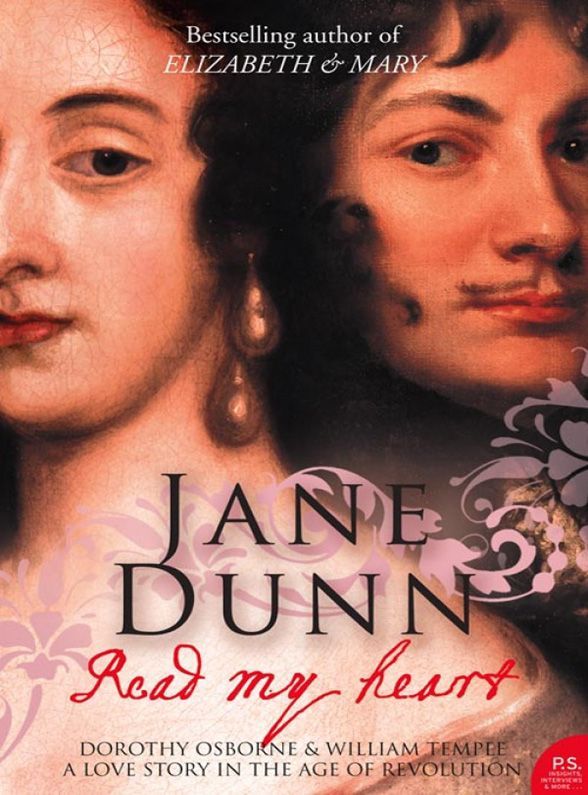

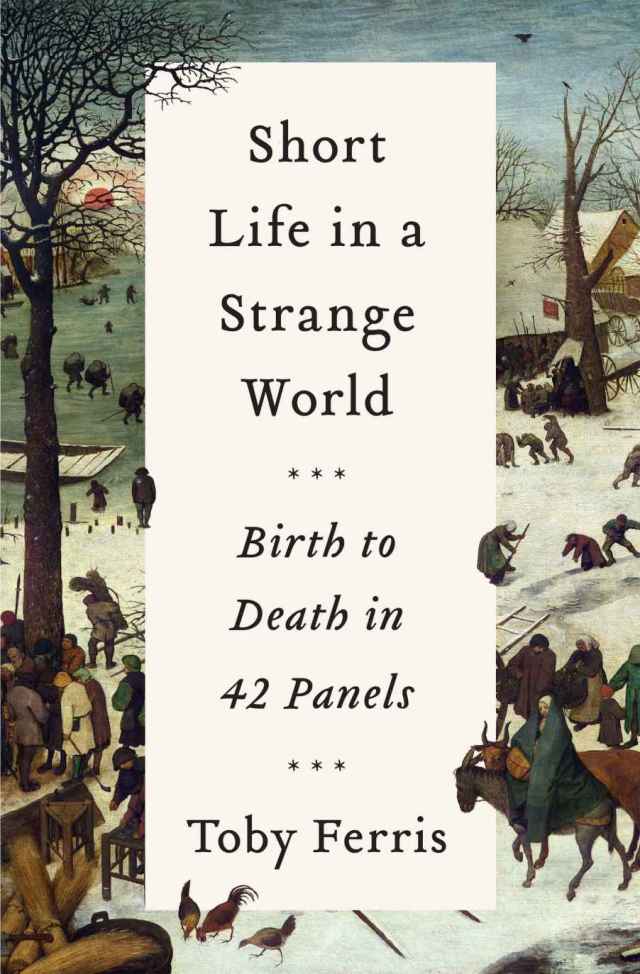 I bought this book on impulse because I will read anything about Bruegel. Perhaps it is my Flemish heritage that draws me to his work. I imagine my ancestors among the peasant crowds in his village scenes. It was only when I held the book in my hands that I recognized the author’s name. Toby Ferris wrote for The Dabbler, the site that first hosted my Dispatches, and he created
 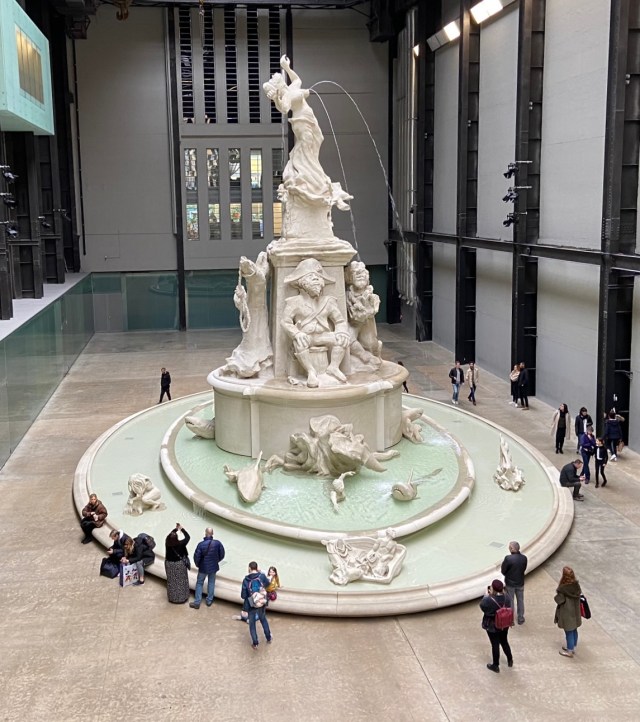 I wasn’t sure what I was looking at. Viewed from the top of the long sloping floor of the former power station it looked like an enormous tiered wedding cake. Perhaps it was the effect of the bland white surface that brought cake frosting to mind. The sculpture stood at the far end of the cavernous Turbine Hall in Tate Modern, where on previous visits we had seen other art installations, none particularly memorable. This would be different. As we came closer we heard the water. The tiers formed not a cake but a fountain, water
  Perhaps it was the restlessness induced by quarantine that had me prowling my own bookshelves in search of diversion. I needed a break from the world of Thomas Cromwell in Hilary Mantel’s The Mirror and the Light. (I know it is tantamount to sacrilege to criticize Miss Mantel, whose Cromwell trilogy I agree is a magnificent achievement, but did we need the menu for his every meal in the year leading up to his execution, surely the last meal would have been sufficient?) In this grumpy mood I came upon The Singing Game by Iona and Peter Opie, the legendary English folklorists, a book I hadn’t picked up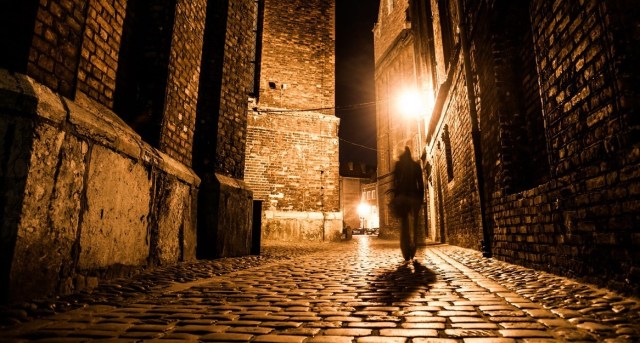

 Dispatches From the Former New World