The events of the past several weeks, the death of George Floyd under the knee of a police officer, the protests that swept the nation and the world, and President Trump’s attempt at brutal “domination” brought to mind an art work I saw in London this March.
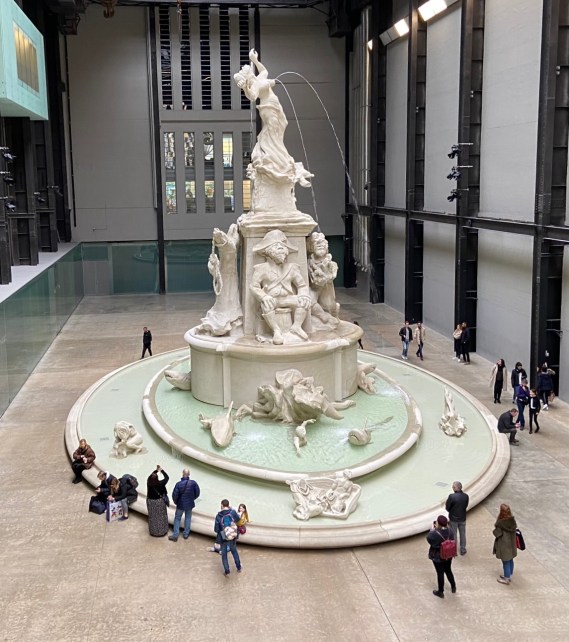 I wasn’t sure what I was looking at. Viewed from the top of the long sloping floor of the former power station it looked like an enormous tiered wedding cake. Perhaps it was the effect of the bland white surface that brought cake frosting to mind. The sculpture stood at the far end of the cavernous Turbine Hall in Tate Modern, where on previous visits we had seen other art installations, none particularly memorable. This would be different. As we came closer we heard the water. The tiers formed not a cake but a fountain, water Continue reading “Fons Americanus – Art For This Time”
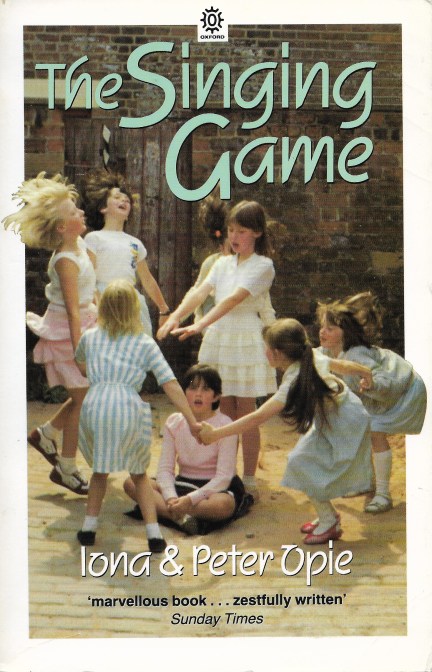 Perhaps it was the restlessness induced by quarantine that had me prowling my own bookshelves in search of diversion. I needed a break from the world of Thomas Cromwell in Hilary Mantel’s The Mirror and the Light. (I know it is tantamount to sacrilege to criticize Miss Mantel, whose Cromwell trilogy I agree is a magnificent achievement, but did we need the menu for his every meal in the year leading up to his execution, surely the last meal would have been sufficient?) In this grumpy mood I came upon The Singing Game by Iona and Peter Opie, the legendary English folklorists, a book I hadn’t picked up

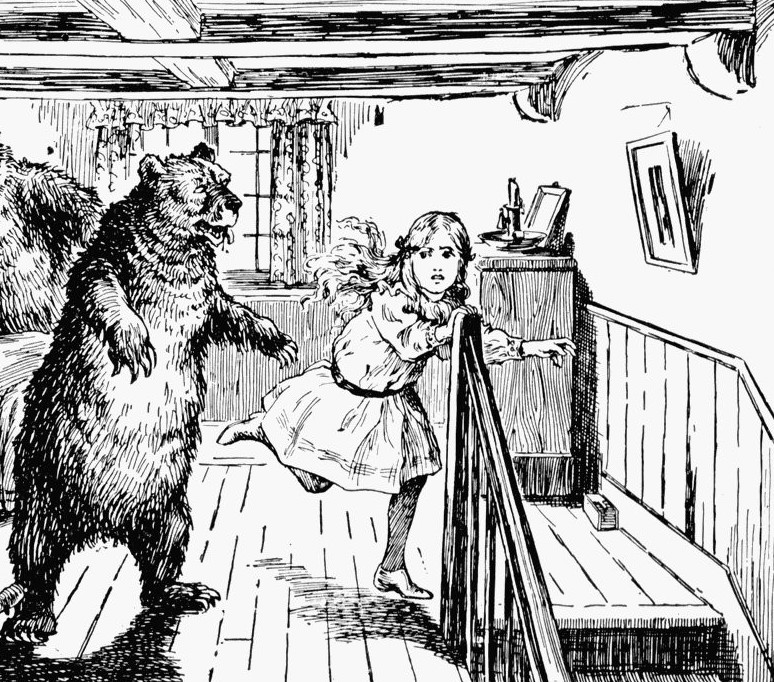 When I was very small my Uncle Lievin saved me from a bear. I was in bed at my grandmother’s house in Belgium when he came running up the stairs chased by a bear. Don’t worry, he assured me, I’ll get it. He grabbed a rifle from behind the door and stood on guard in the doorway poking at the bear as it tried to get past him to eat me up. At last, with many dramatic grunts and shouts, he drove it down the stairs and out the door. Now you’re safe, he assured me with a hug, the bear is gone. My uncle was my protector and my hero. How brave he was!
 How would you pronounce the name of Poulsbo, a tiny town on the Kitsap Peninsula in Washington State? This is a trick question, because unless you live there or you know someone who does, you are certain to get it wrong. That’s because Poulsbo may be the only town in the United States, or perhaps the world, that ended up with the wrong name. All

 Witchfinders – no, not characters in our contemporary political drama. But it could be that hearing cries of “Witch Hunt” almost every day for two years was what led me to this particular book on my shelf.