As a child I pored over the books on ancient Egypt in my father’s bookcase, fascinated by the tombs and treasures and the daring exploits of famous archaeologists. I dreamed of becoming an archaeologist myself one day, until I realized it involved spending a lot of time exposed to relentless sun in very hot places with hoards of nasty insects. I never could stand summer heat, even the 70 degrees that counted as a heat wave in England in those days. After a school field trip to a Roman dig near Colchester left me limp from heat exhaustion and covered in bug bites, I had to admit I was hardly cut out for the rigors of digging up ancient Egypt. Fortunately there is plenty of reading to satisfy an armchair archaeologist like me. Here are some of my favorite novels with an archaeological theme.
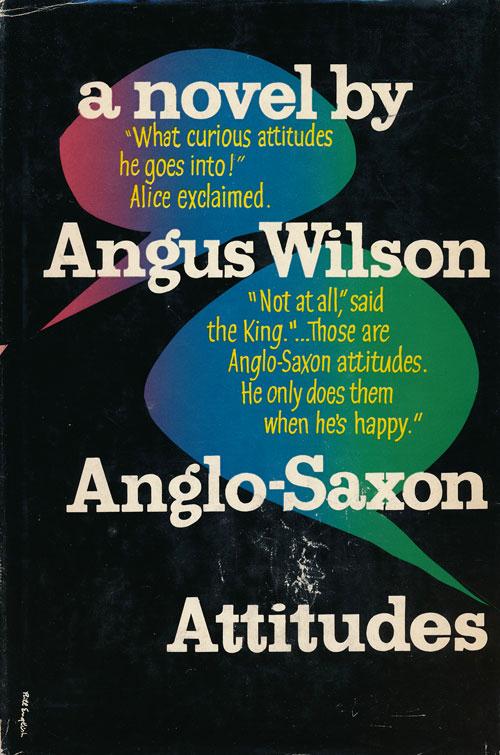


Anglo-Saxon Attitudes by Angus Wilson
Anglo-Saxons past and present are the subject of this satirical novel. Gerald Middleton is a historian past his prime when he is invited to edit a journal on the conversion of the Anglo-Saxons, a topic that brings up a pivotal event from his youth. In a golden summer when he fell in love with the delectable Dollie he was present at an excavation that unearthed a pagan phallic idol in the tomb of a 7th century Christian bishop. But Gerald knows this was a fake and who was responsible for planting it. His dilemma sets off a rollicking portrait of 1950’s England with a Dickensian caste of characters including Gerald’s eccentric wife Inga, a posse of squabbling historians, and working class chancers no longer willing to stay in their place in the post-war world. A television mini-series based on the book can be seen on Acorn TV.
Continue reading “Digging Up Fiction”





 I bought this book on impulse because I will read anything about Bruegel. Perhaps it is my Flemish heritage that draws me to his work. I imagine my ancestors among the peasant crowds in his village scenes. It was only when I held the book in my hands that I recognized the author’s name. Toby Ferris wrote for The Dabbler, the site that first hosted my Dispatches, and he created
