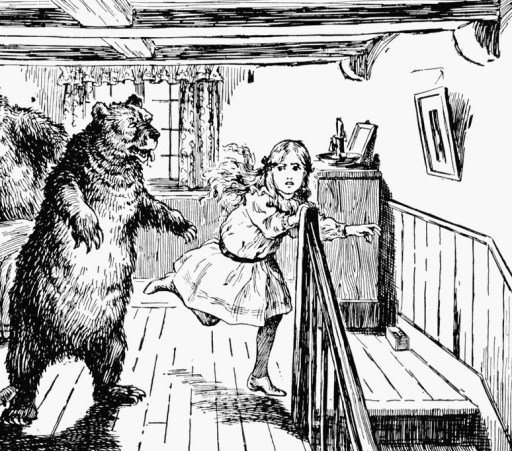
 When I was very small my Uncle Lievin saved me from a bear. I was in bed at my grandmother’s house in Belgium when he came running up the stairs chased by a bear. Don’t worry, he assured me, I’ll get it. He grabbed a rifle from behind the door and stood on guard in the doorway poking at the bear as it tried to get past him to eat me up. At last, with many dramatic grunts and shouts, he drove it down the stairs and out the door. Now you’re safe, he assured me with a hug, the bear is gone. My uncle was my protector and my hero. How brave he was!
My memory of this episode is vivid. I can still almost see my uncle and the bear in mortal combat, hear his exited voice giving a running commentary on the battle. Of course at some point I realized it couldn’t really have happened. There was no bear, the growling Continue reading “On Memory and Churchill’s Funeral”
 How would you pronounce the name of Poulsbo, a tiny town on the Kitsap Peninsula in Washington State? This is a trick question, because unless you live there or you know someone who does, you are certain to get it wrong. That’s because Poulsbo may be the only town in the United States, or perhaps the world, that ended up with the wrong name. All

 Witchfinders – no, not characters in our contemporary political drama. But it could be that hearing cries of “Witch Hunt” almost every day for two years was what led me to this particular book on my shelf.
 Myths of Power: A Marxist Study of the Brontes by Terry Eagleton, published in 1975. Quite what this book is doing on my bookshelf I have no idea. I must have acquired it long, long ago judging by the antique fashion in literary criticism it represents. Back in the 1960’s when I was educated at an English university the term “dialectical materialism” was tossed around with abandon by anyone wishing to seem a true intellectual. Marx was dragged into analysis of just about anything. But the Brontes? Surely not. The wild romantic moors of Yorkshire seem a world away from theories of an oppressed proletariat and dominant bourgeoisie locked in class struggle. Or are they? I don’t remember reading the book in the past but I decided to dig in and see if Marx can really shed light on the Bronte novels.


 Dispatches From the Former New World